
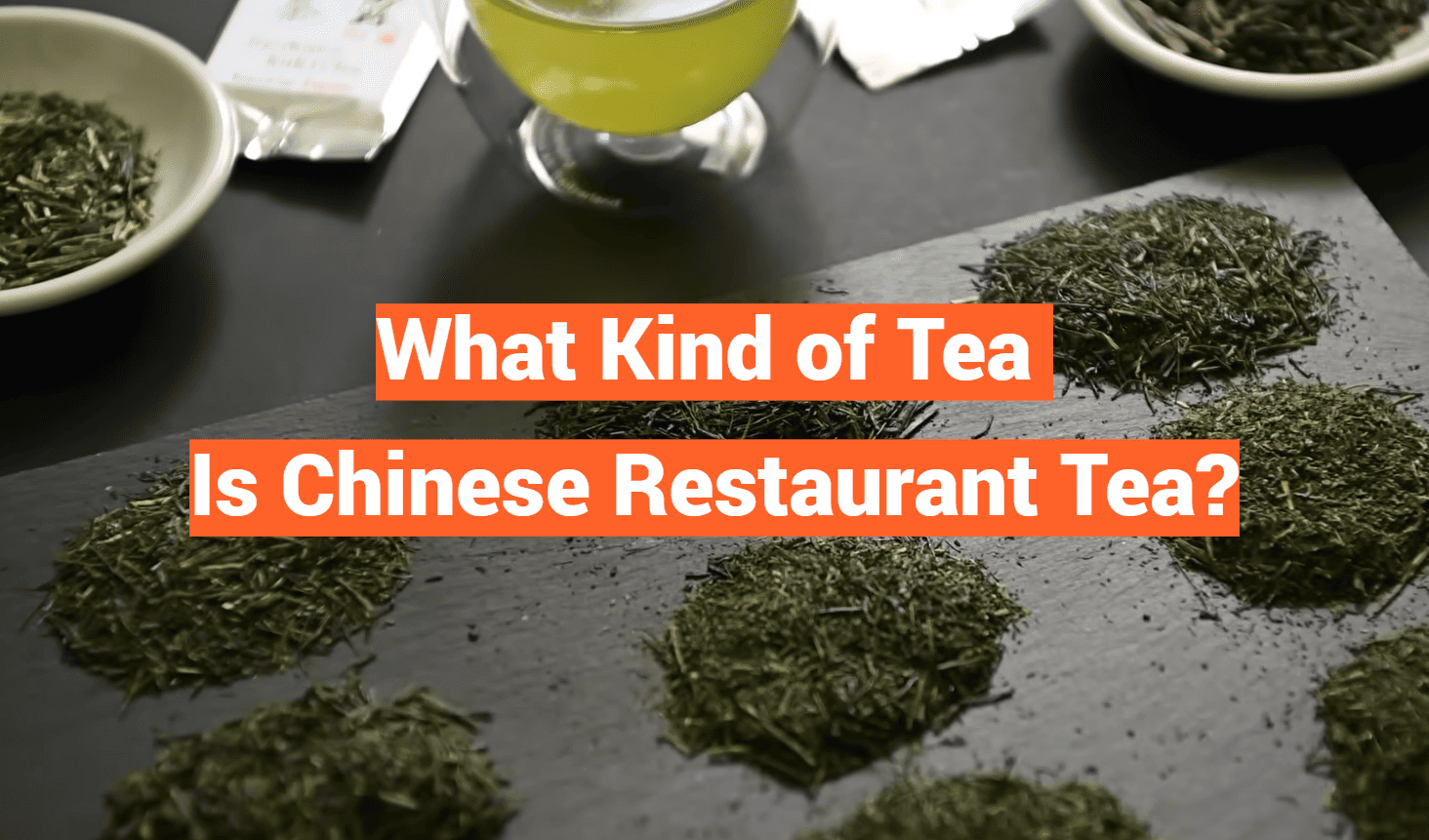
Did you know that over 80% of Chinese restaurants in the United States serve a delightful pot of hot tea before the meal? This comforting tradition is more than just a warm welcome; it sets the stage for a unique dining experience. The tea offered is often smooth, clean, and refreshing, making it the perfect companion to your meal.
However, the term “Chinese restaurant tea” doesn’t refer to just one specific type. Instead, you might find a variety of options, including green, jasmine, oolong, or even pu-erh. Each restaurant has its own preference, but the most common choice is lightly brewed loose-leaf green tea.
Restaurants often use loose leaves rather than tea bags, allowing for multiple infusions. This brewing method enhances the flavor, making each sip a delightful experience. In this beginner’s guide, we’ll explore how to identify the tea served and how to recreate that comforting experience at home.
Key Takeaways
- Hot tea is a common pre-meal offering in many Chinese dining establishments.
- The term “Chinese restaurant tea” encompasses various types, not just one.
- Loose-leaf green tea is a popular choice among many restaurants.
- Brewing methods can vary, with many restaurants steeping leaves multiple times.
- This guide will help you identify and recreate the experience at home.
The Tradition and Culture Behind Chinese Restaurant Tea
In the United States, nearly 80% of dining establishments offering Chinese cuisine present guests with a warm pot of tea. This ritual is steeped in history and culture, reflecting the importance of tea in social interactions. For centuries, tea has been a symbol of hospitality, with the act of pouring tea for others representing care and connection.
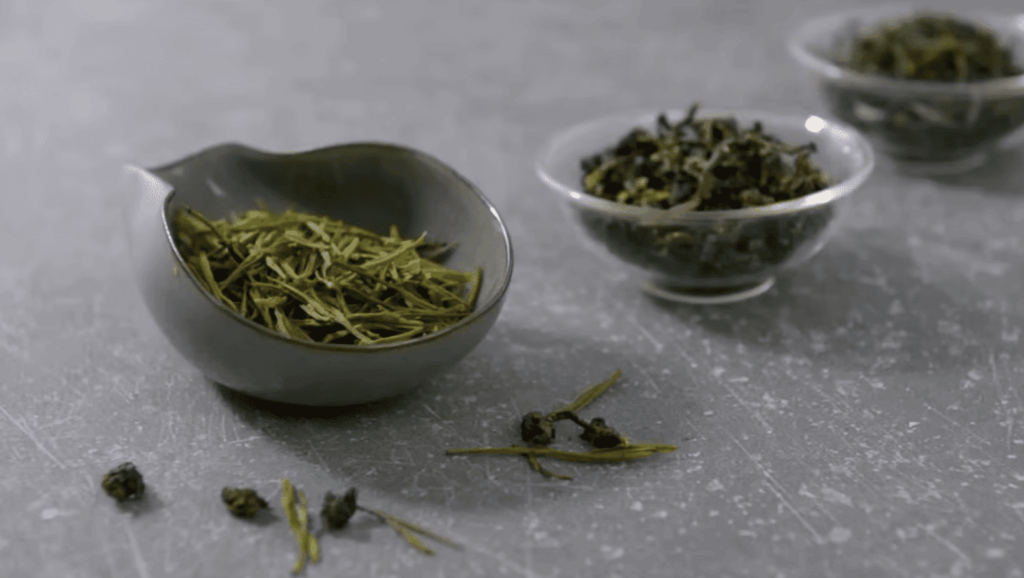
Sharing a pot encourages conversation, creating a warm atmosphere for diners. Complimentary tea has become a staple in many restaurants, especially during communal meals featuring shared dishes. This practice fosters a sense of togetherness and enhances the dining experience.
Cantonese restaurants often highlight this tradition, serving selections like jasmine, pu-erh, and oolong tea alongside dim sum. These teas complement the diverse flavors of the dishes, showcasing the culinary harmony found in Chinese dining.
- Tea has played a vital role in Chinese social life for hundreds of years.
- Pouring tea for companions is a gesture of hospitality.
- Complimentary tea enhances communal dining experiences.
- Cantonese restaurants serve specific teas that pair well with savory dishes.
- This tradition adapts to modern dining while preserving cultural significance.
What Kind of Tea Is Chinese Restaurant Tea?
A warm pot of tea greets diners at most Chinese eateries across the United States. This delightful offering is not limited to one specific variety but encompasses a range of options. Understanding these choices can enhance your dining experience.
One popular selection is jasmine tea, which is essentially green tea infused with fresh jasmine flowers. This tea is known for its floral sweetness and refreshing aroma, making it a favorite among many.
Oolong tea is another option, positioned between green and black varieties. It can vary from light floral notes to rich, roasted flavors, providing a diverse tasting experience.
For those seeking something unique, pu-erh tea stands out. This fermented option offers earthy, smooth, and sometimes woody notes, making it a great companion for hearty meals.
Additionally, diners may encounter black, white, and chrysanthemum teas. The latter is a caffeine-free herbal choice, known for its floral and slightly sweet characteristics, perfect for those looking for a soothing alternative.
- Chinese restaurant tea includes a variety of options beyond just one type.
- Jasmine tea is recognized for its floral sweetness and refreshing scent.
- Oolong offers a range of flavors from light to dark.
- Pu-erh is a fermented tea with rich, earthy notes.
- Chrysanthemum tea provides a caffeine-free herbal alternative.
Common Tea Varieties in Chinese Restaurants
Many diners across the U.S. find themselves greeted by a steaming pot of tea at their favorite Chinese eateries. This delightful offering includes several popular varieties that enhance the dining experience.
Green Tea: The Classic Choice
Lightly pan-fired green tea remains a classic choice for many restaurants. Its fresh, clean flavor avoids sharp bitterness, making it perfect for pairing with lighter dishes. Dragon Well, also known as Longjing, and Biluochun are recognizable examples often served.
Oolong Tea: The Aromatic Favorite
This flexible category ranges from floral to darker, nuttier flavors. Tie Guan Yin offers a delicate aroma, while Wuyi Rock Oolongs provide a richer taste, making them suitable for various meals.
Pu-erh Tea: The Digestive Aid
Ripe pu-erh is a fermented option known for its earthy richness. Many diners associate it with heavy or oily meals, making it a popular choice for digestive comfort.
| Tea Type | Flavor Profile | Pairing Suggestions |
|---|---|---|
| Green Tea | Fresh, Clean | Light Dishes |
| Oolong Tea | Floral to Nutty | Varied Meals |
| Pu-erh Tea | Earthy, Rich | Hearty Meals |
| Black Tea | Robust | Spicy Dishes |
Regional Influences on Chinese Tea Selections
Across the United States, a steaming pot of tea is a beloved prelude to many meals at Chinese dining establishments. Regional influences significantly shape the selections offered, enhancing the overall experience.

Cantonese and Dim Sum Traditions
Cantonese restaurants often feature selections like jasmine, pu-erh, and oolong, perfectly complementing the variety of dim sum baskets and sauces. This harmonious pairing enhances the flavors of both the tea and the dishes served.
Local Specialties and Regional Flavors
Hangzhou is renowned for its Longjing, a local green tea celebrated for its fresh, bright character. Meanwhile, Yunnan is famous for pu-erh and produces Dian Hong black tea, contributing to bold regional drinking traditions.
Fujian adds its flair with Silver Needle, Shou Mei, and the smoky Lapsang Souchong, showcasing local specialization. In northern restaurants, jasmine is often favored for its strong aroma, which can offset the taste of hard water.
Flavor Profiles and Health Benefits of Chinese Restaurant Tea
The ritual of serving a warm pot of tea creates a cozy ambiance for diners before their meal begins. Each variety offers a unique flavor profile that can enhance your dining experience.
For instance, floral jasmine tea is known for its slightly sweet and refreshing notes. In contrast, grassy green tea provides a clean finish that can cleanse the palate. Roasted oolong offers a deeper flavor, while earthy pu-erh delivers a rich, smooth taste. Malty black tea rounds out the options with its robust character.
Beyond taste, these brews can support digestion. Oolong and pu-erh are particularly effective in cleansing the palate between rich or heavily sauced foods. Traditionally, tea has been enjoyed after large meals to aid digestion, though it’s important to note that these drinks do not treat medical conditions.
Caffeine levels vary based on the type, serving size, and brewing time. While restaurant offerings may taste light, understanding these factors can enhance your appreciation. Remember, wellness benefits should complement a balanced diet and proper medical advice.
Brewing Techniques for Authentic Chinese Restaurant Tea
Before meals, patrons frequently experience the warm tradition of tea at dining establishments. To recreate this experience at home, understanding the right brewing techniques is essential.
Optimal Brewing Methods
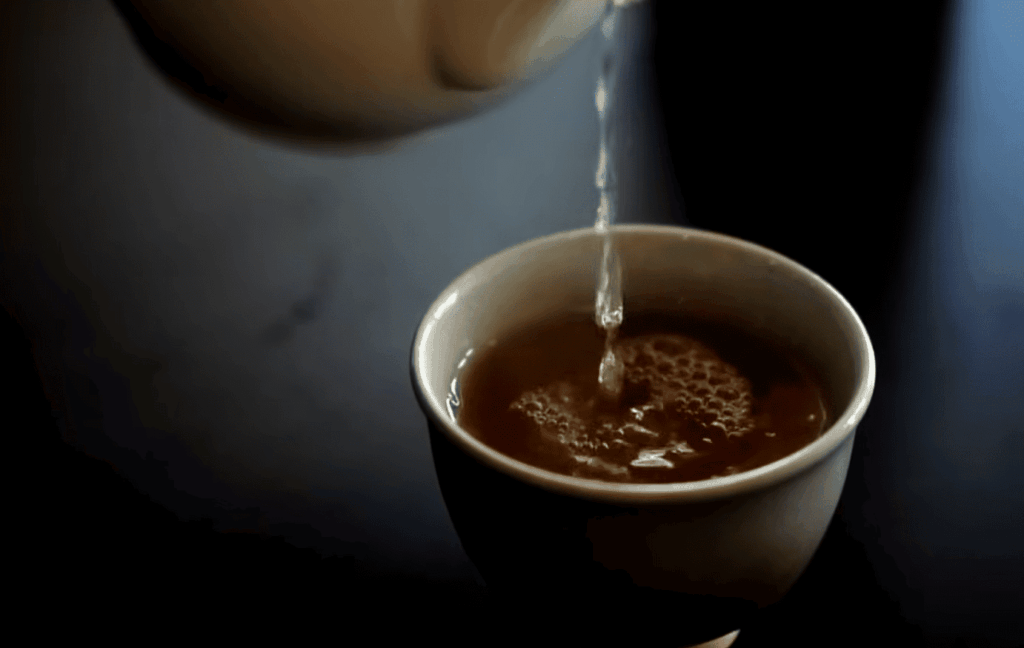
Temperature plays a crucial role in brewing. For green and white varieties, aim for a water temperature of 175-185°F. Oolong is best brewed at 195-205°F, while black and pu-erh teas thrive at 205-212°F.
Multiple Infusions for Enhanced Flavor
Using modest amounts of leaves can help achieve that smooth restaurant style without bitterness. For instance, a classic Tie Guan Yin recipe calls for 7 grams in a 150-milliliter pot. Start with a 45-second infusion at 205°F, then increase steeping time by 15-20 seconds for subsequent infusions. This method reveals changing aromas, sweetness, and body from the same leaves.
Decoding Packaged “Chinese Restaurant Tea” Blends
A steaming pot of tea often welcomes diners at popular Chinese eateries throughout the U.S. However, when you see “Chinese Restaurant Tea” on a package, it usually refers to a marketing label. This label does not indicate a single, standardized traditional tea.
Many commercial blends combine oolong, jasmine, and green varieties to mimic a familiar restaurant profile. While convenient, supermarket tea bags often produce a flatter flavor. In contrast, dedicated loose-leaf options provide brighter aromas and clearer flavor notes.
Before assuming a package is authentic, check the ingredient list, origin, and processing style. Quality-focused restaurants typically serve specific selections like Tie Guan Yin, jasmine green, or pu-erh, which highlight their commitment to authenticity.
| Product Type | Flavor Quality | Common Ingredients |
|---|---|---|
| Packaged Blends | Flat, Uniform | Oolong, Jasmine, Green |
| Supermarket Tea Bags | Consistent | Generic Blends |
| Loose-Leaf Teas | Bright, Complex | Specific Varieties |
Recreating the Restaurant Tea Experience at Home
A delightful pot of steaming tea often greets guests at Chinese dining spots across the country. To bring this comforting ritual into your home, you’ll need some essential equipment and ingredients.
Essential Equipment and Ingredients
Start with a simple teapot or an infuser mug. You’ll also need filtered water, loose leaves, measuring spoons, and cups. These items will help you brew an authentic cup.
Step-by-Step Brewing Tips
For jasmine, use 1.5 teaspoons per 8 ounces of water at 180°F for a 2-3 minute infusion. For ripe pu-erh, rinse the compressed leaves briefly. Then, use 5-7 grams in boiling water with a 30-second to 1-minute first steep.
Start with a modest leaf-to-water ratio and adjust the strength gradually. This approach prevents an overly concentrated cup. Serve the tea in small cups and reheat water between infusions to mimic the relaxed rhythm found in restaurants.
Enhancing Dining with Perfect Tea Pairings
A delightful pot of tea can elevate the dining experience in many Chinese restaurants. Pairing the right tea with your meal enhances flavors and creates a memorable experience.
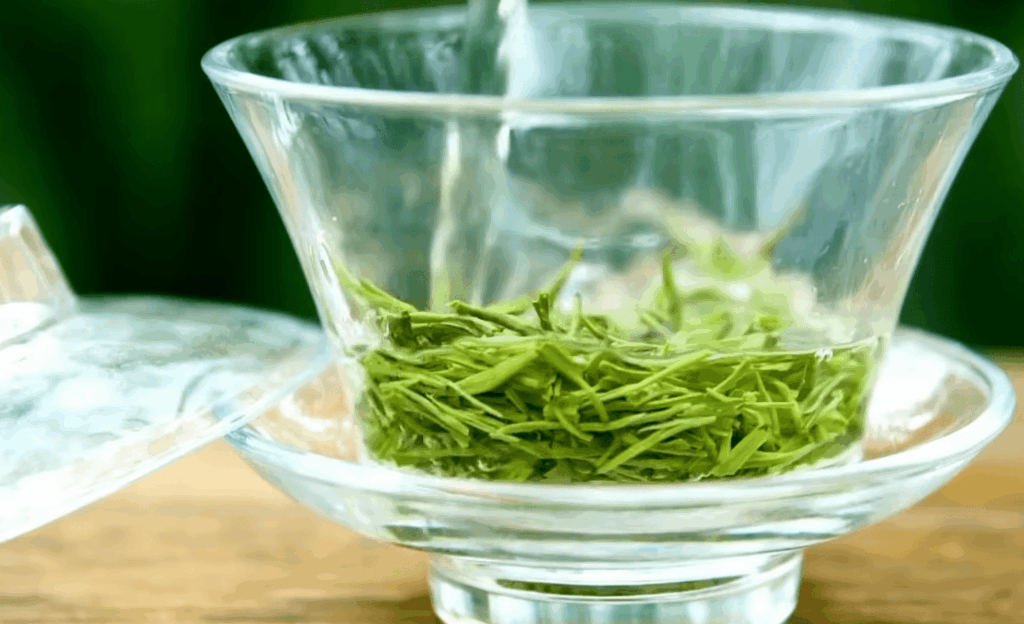
For example, jasmine green tea complements dishes like dim sum, seafood, and steamed vegetables. Its floral freshness is ideal for lighter fare.
Oolong tea, with its robust character, pairs well with roasted meats and stir-fries. Its rich flavor can handle the savory notes of these dishes.
Ripe pu-erh tea is perfect for oily or braised meats, providing an earthy finish that cleanses the palate. Black tea, such as Dian Hong, matches hearty dishes and savory pastries, enhancing their natural sweetness.
When dining at home, experiment with these pairings. Taste the tea before, during, and after each bite to discover what works best for you.
Conclusion
Dining at Chinese eateries often begins with a comforting cup of hot brew. This delightful tradition varies by restaurant and region, typically featuring clean, food-friendly loose leaves.
While green varieties are common, options like jasmine, oolong, pu-erh, black, white, and chrysanthemum may also grace the menu. Cantonese spots and dim sum houses often prefer jasmine or oolong, as these pair beautifully with shared dishes.
Brewing temperature, gentle steeping, and multiple infusions contribute to the familiar flavors that many diners enjoy. To recreate this experience at home, simply ask what is being served, select a specific option, and use basic equipment.
Ultimately, the best choice will depend on personal taste, the richness of the meal, and the unique atmosphere of the dining experience.