
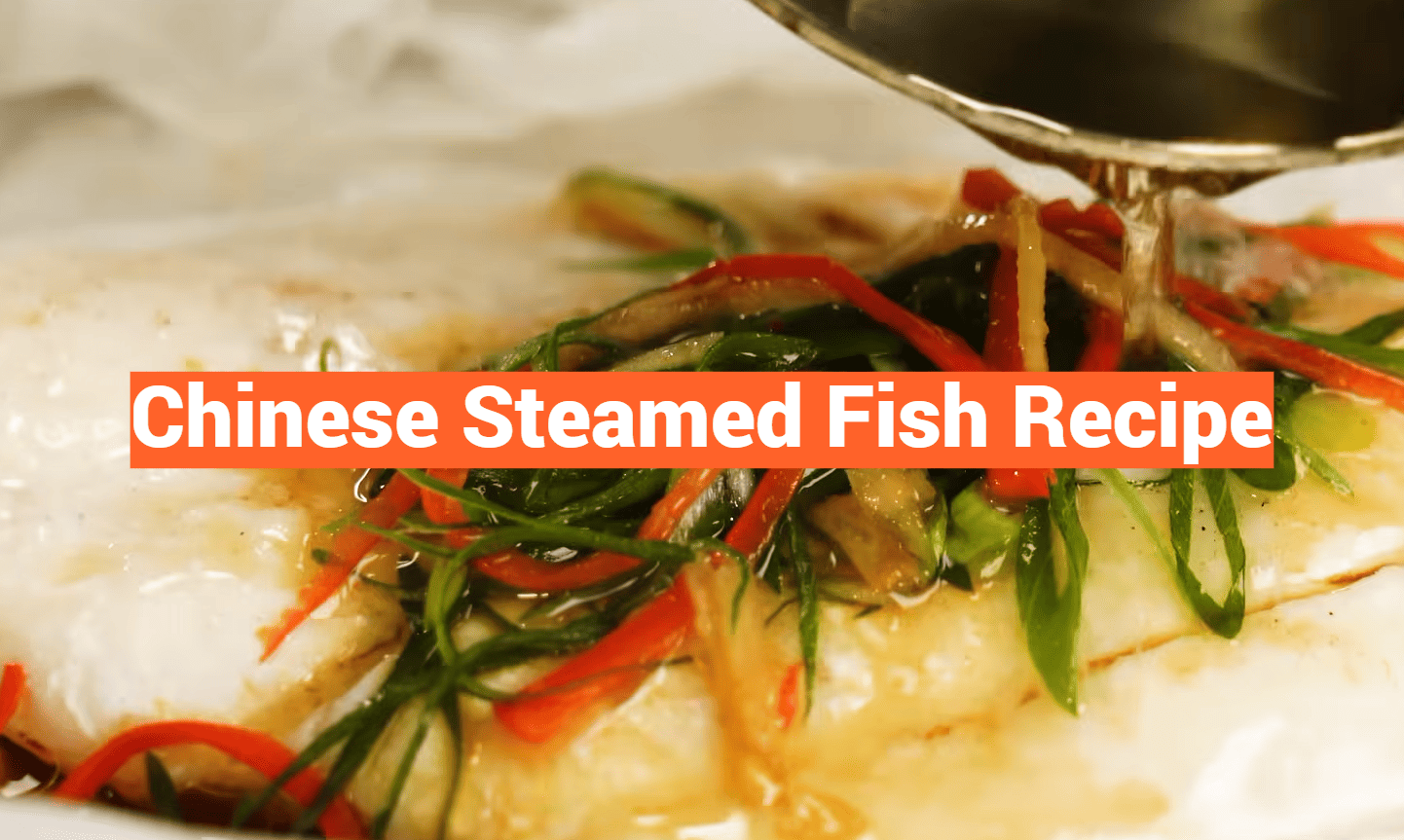
Did you know that steaming is one of the oldest cooking methods, dating back over 2,000 years? This technique not only preserves the nutrients in food but also enhances its natural flavors. In this article, we will explore a delightful dish that embodies these principles.
This simple meal showcases tender fish, fresh aromatics, and savory seasoning, making it a perfect choice for any weeknight dinner. The preparation takes just 5 minutes, followed by 15 minutes of cooking, allowing you to enjoy a delicious meal in under 20 minutes.
Originally published in October 2013, this dish has been updated with clearer instructions, metric measurements, and even a video for better guidance. Steaming a delicate 10-ounce fillet results in a wonderfully tender texture, far superior to frying or roasting.
Whether you’re celebrating a special occasion or simply looking for a quick and satisfying meal, this dish reflects the rich culinary traditions often found at wedding banquets. Get ready to impress your family and friends with this easy yet elegant dish!
Key Takeaways
- This dish is quick, taking only 20 minutes from start to finish.
- Steaming preserves nutrients and enhances flavors.
- Updated with clearer instructions and a helpful video.
- Perfect for both casual dinners and special occasions.
- Features a delicate texture that sets it apart from other cooking methods.
Introduction to a Classic Chinese Steamed Fish
Steaming is a culinary technique that has stood the test of time, with roots tracing back over two millennia. This method not only retains the natural flavors of ingredients but also enhances their nutritional value.
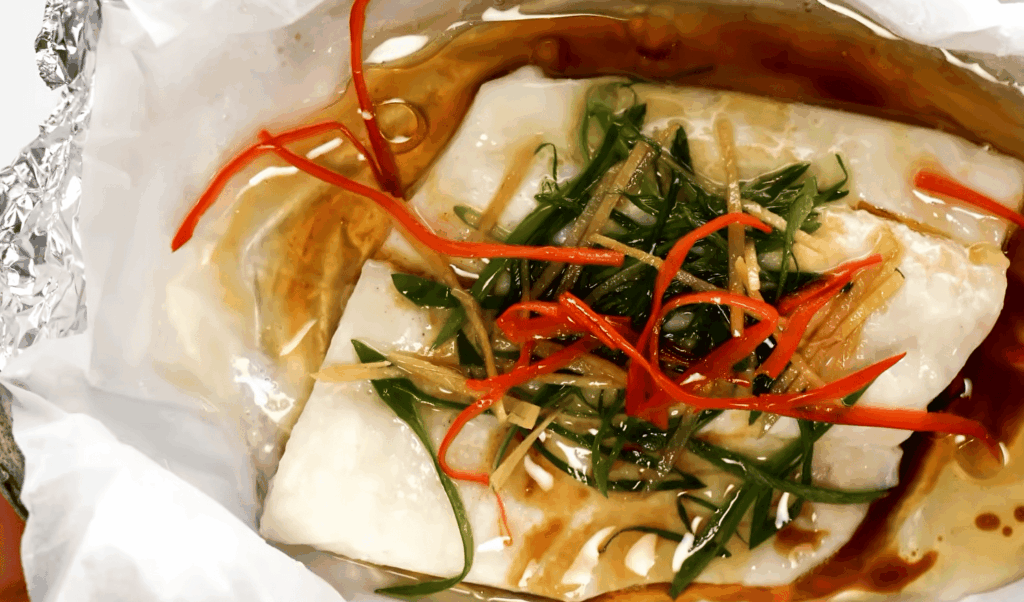
In many cultures, this dish holds significant meaning. For instance, it is often featured at Cantonese wedding banquets, served just before the final rice and noodle course. This tradition highlights its ceremonial importance.
However, it is not limited to special occasions. Many families enjoy this dish regularly, showcasing its role in everyday dining. The technique allows the delicate character of the white protein to shine, complemented by the vibrant flavors of ginger and scallions.
During Chinese New Year, a whole fish is traditionally served. This symbolizes a prosperous beginning and end to the year. With just a few ingredients, the steaming method remains approachable for any modern kitchen.
Key Ingredients and Their Roles
Choosing the right ingredients is crucial for a successful dish. Fresh selections of fish can make all the difference. For a delicate texture, opt for boneless fillets or whole fish. The latter may take longer to cook, as the bones require more time to reach the perfect doneness.
Recommended options include flounder, fluke, and sea bass. These varieties provide a mild flavor that pairs well with aromatics. Avoid oily types like bluefish and mackerel, as their firm flesh doesn’t complement this cooking style.
When considering whole fish, look for options like snapper or kumu fish, which weigh about 2 to 2.5 pounds. They can be steamed in just 13-15 minutes, making them ideal for larger gatherings.
Fresh Fish Selections
- Boneless fillets are easier to cook but lack the flavor depth of whole fish.
- Whole fish adds a celebratory touch, perfect for special occasions.
- Recommended fish: flounder, sea bass, haddock, and tilapia.
- Avoid bluefish, mackerel, and swordfish due to their oily texture.
Aromatics for Flavor
Ginger, scallions, and cilantro are essential aromatics that enhance the dish’s flavor. They provide a fragrant contrast to the mild taste of the fish. Adding these ingredients elevates the meal, making it visually appealing and aromatic.
| Fish Type | Texture | Cooking Time (minutes) |
|---|---|---|
| Flounder | Delicate | 6-8 |
| Sea Bass | Flaky | 10-12 |
| Kumu Fish | Mild | 13-15 |
Essential Equipment and Steaming Techniques
The art of steaming has been embraced for centuries, showcasing its efficiency and health benefits. To achieve the best results, having the right equipment is essential. A traditional setup often involves a wok with a steaming rack and lid, or a bamboo steamer that fits snugly inside a pot.
If you don’t have a wok, a large pot or deep skillet can serve as a great alternative. Just place an empty tuna can or an elevated rack to support the heatproof plate. Remember, the steaming vessel should hold about 1-2 inches of water beneath the plate containing your meal.
Before adding your ingredients, bring the water to a boil. This step is crucial for generating consistent steam. Once the fish is in place, lower the heat to maintain that steady steam flow. Lastly, ensure the heatproof plate fits comfortably inside the vessel without touching the lid.
Step-by-Step Preparation Process
The journey to a delicious meal begins with careful preparation. Start by rinsing the fillet under cold water. This helps to remove any residual fishy taste and ensures cleanliness. Place the rinsed fillet on an oblong heatproof plate that fits snugly inside your steaming setup.
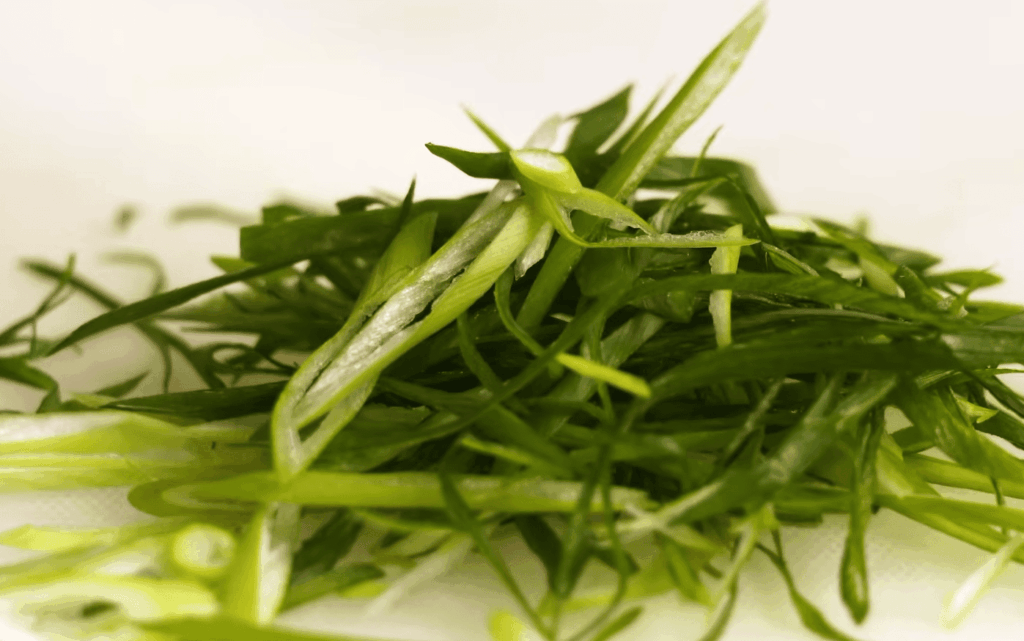
Next, prepare the aromatics. Cut the scallions into 2-inch lengths, then halve them lengthwise and julienne them into thin strips. This method maximizes their flavor and makes for an appealing presentation.
For the ginger, take approximately 15 grams and slice it thinly before julienning. This will ensure even flavor distribution throughout the dish. Remember to reserve about one-third of the ginger and scallions for later use. This fresh finishing layer will enhance the overall flavor and visual appeal.
Lastly, ensure that the plate fits comfortably inside the wok, pot, or steamer without obstructing the lid. This step is crucial for proper steaming and achieving the desired texture.
chinese steamed fish recipe: A Traditional Approach
For centuries, cooks have relied on steaming as a healthy way to prepare meals. One of the key elements in this process is the flavorful soy sauce mixture that enhances the dish. This traditional blend includes 1½ tablespoons of light soy sauce, ⅛ teaspoon of salt, ⅛ teaspoon of sugar, and 2 tablespoons of hot water.
To create the sauce, mix these ingredients in a bowl until the salt and sugar dissolve completely. This ensures a smooth and balanced flavor. The mixture is designed for a 10-ounce delicate white fish fillet and can be scaled for larger portions.
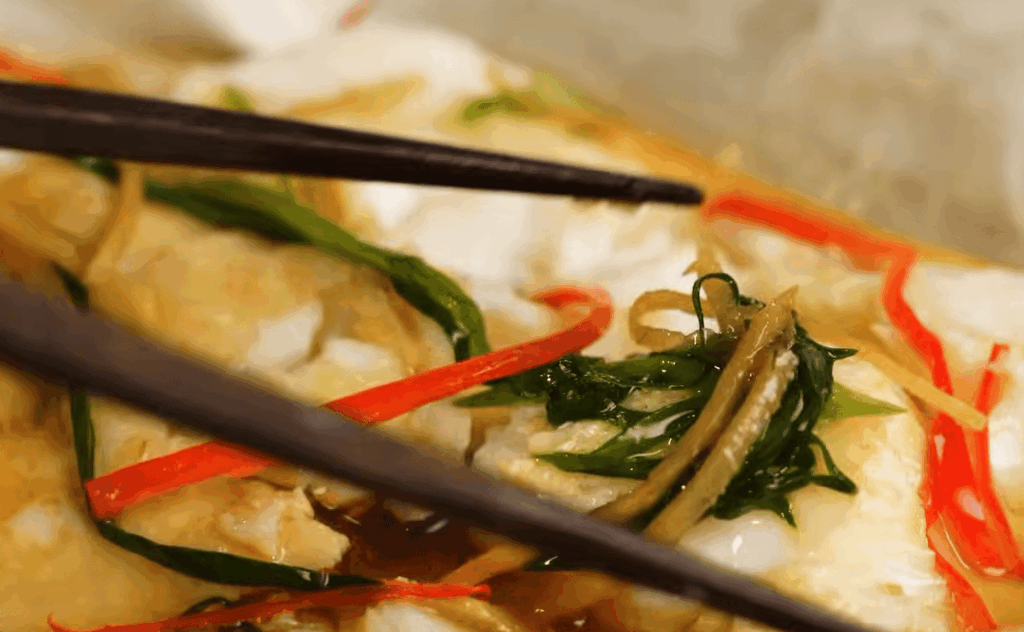
This balanced sauce adds a savory, lightly sweet flavor without overwhelming the natural taste of the fish. It’s perfect for varieties like sea bass, haddock, cod, or tilapia. Prepare the sauce before steaming, allowing for a quick and organized final step when serving.
| Ingredient | Amount |
|---|---|
| Light Soy Sauce | 1½ tablespoons |
| Salt | ⅛ teaspoon |
| Sugar | ⅛ teaspoon |
| Hot Water | 2 tablespoons |
Flavor Boosters: Ginger, Scallions, and Sauce
Unlocking the flavors of a dish often begins with the right combination of aromatics. The essence of this meal lies in the fragrant ginger and scallions, which enhance the overall taste. To start, heat two tablespoons of vegetable oil over medium-high heat. This step is essential for releasing the delightful fragrances from the cooked aromatics.
Begin by frying the remaining ginger for about one minute. This allows its essential oils to infuse the oil, creating a rich base for the dish. Next, add the white parts of the scallions and cook them for an additional 30 seconds. Following this, incorporate the green scallion pieces and cilantro, letting them briefly sizzle.
For an extra touch, consider pouring an optional tablespoon of hot vegetable oil over the raw aromatics. This technique creates a beautiful restaurant-style sizzle, enhancing both aroma and presentation. However, be cautious, as the hot oil can cause splattering.
| Ingredient | Action | Time (seconds) |
|---|---|---|
| Ginger | Fry | 60 |
| White Scallions | Cook | 30 |
| Green Scallions & Cilantro | Sizzle | 15 |
Mastering Cooking Times and Temperature
Cooking times are crucial for achieving perfectly tender meals. Knowing how long to steam your ingredients can significantly enhance their flavor and texture. Here’s a quick guide to help you master the timing for various types of fish.
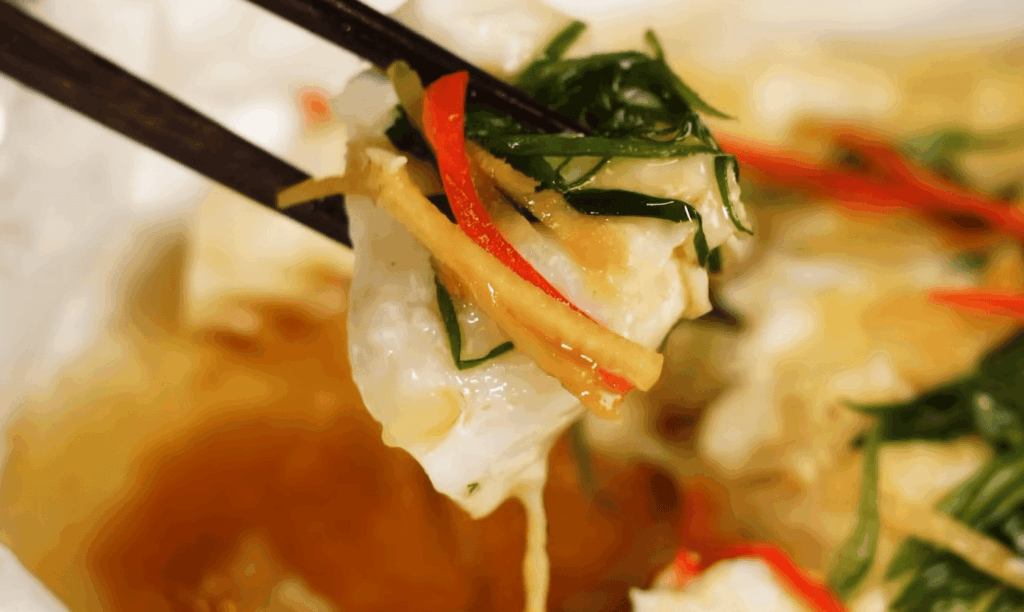
Determining Doneness Using Simple Tests
To ensure your meal is cooked to perfection, consider using the butter-knife test. A dull butter knife should pass easily through the thickest part of the fish. If it meets resistance, it needs more time.
Adjusting Time for Different Thicknesses
Here’s a quick reference for steaming times:
| Fish Type | Thickness | Cooking Time (minutes) |
|---|---|---|
| Small Fillets | ½ inch | 4-5 |
| Typical Fillet | 10 ounces | 7-10 |
| Cod Portion | 1-1½ inches | 8-10 |
| Whole Fish | 2-2½ pounds | 13-15 |
Check early and add only 1-2 minutes if needed. Remember, overcooking can turn delicate fish tough or rubbery, even with the right setup.
Serving Suggestions and Perfect Pairings
Serving a dish immediately after cooking enhances its flavors and textures. This meal is traditionally paired with a generous portion of steamed white rice. The rice acts as a perfect companion, soaking up the savory sauce and aromatic juices.
For a delightful presentation, consider garnishing the dish with:
- Raw ginger for an extra zing.
- Scallions to add a fresh crunch.
- Cilantro for a burst of color.
- Sesame oil for a nutty finish.
- Thinly sliced red chili peppers for a hint of heat.
Leftovers can be stored in an airtight container. Depending on your source, they can last from 1-2 days up to 3 days. When reheating, use gentle methods like steaming or a saucepan instead of a microwave to maintain the dish’s quality.
Variations and Adaptations for Special Occasions
Celebrations often call for special dishes that elevate the dining experience. One such tradition involves serving whole fish during significant events, especially during Lunar New Year. This practice symbolizes a prosperous beginning and end to the year, making it a meaningful choice for family gatherings.
For larger celebrations, consider a whole sea bass, snapper, or kumu fish weighing between 2 to 2½ pounds. These options not only serve many but also create a stunning centerpiece on the table. In contrast, using fillets simplifies cleanup and portion control, making them a practical choice for smaller meals.
A small whole fish can still work beautifully for a solo meal or dinner for two, provided your steamer is appropriately sized. To enhance the presentation, consider preserving the head and tail. This traditional appearance adds a festive touch when serving to family or guests.
Troubleshooting and Expert Tips
Mastering the art of cooking involves knowing how to troubleshoot common issues. When preparing delicate proteins, it’s essential to avoid overcooking. Fish bones can complicate cooking times, making it harder to determine doneness. Always check the thickest part of the fish with a butter knife early in the cooking process. This will help prevent a rubbery texture.
If you don’t have specialized steaming equipment, don’t worry! A large pot, deep skillet, or even an empty tuna can can serve as a substitute. Just ensure that you have a steaming rack or something to elevate the fish above the water.
For those with dietary restrictions, tamari is a great gluten-free alternative to soy sauce. It provides similar flavor without compromising the dish. Remember, fish tastes best when served immediately after adding the sauce. Delaying serving can diminish the meal’s delightful texture and aroma.
Conclusion
Every dish tells a story, and this one speaks of tradition and flavor. The delicate fish, paired with ginger, scallions, and cilantro, creates a signature taste that embodies the essence of this meal. Remember to maintain about 1-2 inches of water and a steady steam beneath the heatproof plate for optimal results.
Cooking times are essential; thin fillets require just 4-5 minutes, while larger whole fish need 13-15 minutes. Use the butter-knife test to check for doneness without cutting the fish apart. Each serving offers approximately 166 calories and 32 grams of protein, though nutritional values can vary.
This dish is versatile, making it perfect for weeknight dinners, family gatherings, weddings, or Lunar New Year celebrations. Enjoy the delightful flavors and share the experience with loved ones!