
Did you know that over 80% of Chinese restaurants in the United States serve a menu that is nearly identical? This surprising fact reveals how American expectations shape the culinary landscape. Many diners seek familiar dishes, often overlooking the rich variety of authentic flavors available.
Author Andrew Coe, in his book Chop Suey: A Cultural History of Chinese Food in the United States, highlights this phenomenon. He explains that many Americans expect their meals to be cheap and comforting, which influences the offerings at most eateries. However, true culinary treasures often lie hidden within the extensive menus.
By exploring the history and regional specialties of these establishments, diners can uncover unique flavors that go beyond popular items like General Tso’s chicken. Each venue presents its own twist on traditional dishes, balancing authenticity with local preferences.
Key Takeaways
- Look beyond standard menus for authentic culinary experiences.
- Many diners expect cheap and familiar options, shaping restaurant offerings.
- Hidden gems often exist away from popular dishes.
- Understanding the history enhances appreciation for the food.
- Seek out regional specialties for a true taste of culture.
- Each restaurant balances tradition with local dining expectations.
Decoding the Chinese Restaurant Menu
Many Chinese dining spots in America feature nearly identical selections. However, a deeper look reveals a world of flavors waiting to be explored. Understanding the difference between Americanized dishes and authentic offerings can enhance your dining experience.
When you glance at a menu, it may list over 193 dishes. Yet, the best meals often lie hidden on the wall specials. Restaurateur Paul Chou emphasizes that ordering from these authentic selections, especially pork or duck, can elevate your meal.
Understanding Americanized Versus Authentic Dishes
Look for key descriptors on the menu. Terms like steamed, stir-fried, and crispy indicate traditional cooking methods. This can help you identify authentic dishes rather than relying solely on fried chicken or shrimp.
Identifying Key Descriptors Like “Steamed,” “Stir-Fried,” and “Crispy”
- Ask staff about traditional preparations for pork or beef that might not be listed.
- Consider a mix of dumplings, noodle soup, and fried rice when dining with friends.
- Recognize the difference between Americanized egg foo young and authentic regional specialties.
- Explore various seafood, beef, and tofu options, as sauces often define the dish’s flavor.
How to Choose what to order at chinese restaurant
Exploring diverse flavors can transform your dining experience into something memorable. When navigating a menu, consider your dietary preferences to make informed choices. Many options can cater to various needs while still being delicious.
For a healthier meal, opt for steamed chicken, shrimp, or tofu paired with fresh vegetables. This not only tastes great but also keeps your meal light. A smart way to manage your intake is to ask for the sauce on the side. This allows you to control the flavor and calories of your dish.
If you’re dining with friends, consider sharing a variety of dumplings or a light soup. This way, everyone can enjoy a satisfying plate without overindulging. Mindful eating is key, and using the free tea provided can enhance your experience.
| Dish Type | Healthy Options | Notes |
|---|---|---|
| Steamed Dishes | Chicken, Shrimp, Tofu | Low in calories, high in flavor |
| Soups | Broth-based | Great for a light start |
| Dumplings | Variety for sharing | Fun and interactive meal |
| Rice Alternatives | Cauliflower Rice | Lighter substitute for traditional rice |
And don’t forget the fortune cookie! It’s a fun way to end your meal, even if you’re watching your dietary goals.
Exploring Regional Chinese Cuisine and Dish Variations
Regional variations in cuisine offer a delightful glimpse into the diverse culinary landscape of China. Each area has its own unique flavors and cooking techniques, making every meal an adventure.
Highlights of Cantonese, Sichuan, and Other Regional Cuisines
Sichuan cuisine is famous for dishes like Ma Po Tofu and twice-cooked pork, known for their bold flavors and complex cooking methods. Cantonese cuisine, on the other hand, is celebrated for dim sum, a popular way for friends to gather and share small plates of food.
Discovering Favorites: Dim Sum, Hot Pot, Noodles, and More
Don’t miss out on iconic dishes like Peking Duck, which requires expert roasting for that perfect crispy skin. Hot pot is another communal favorite, where you cook your own meat and vegetables in a bubbling pot of soup.
-
- Authentic chow mein and zhajiangmian are perfect for a quick lunch.
- Fried rice can be made at home with leftover pork, shrimp, or chicken.
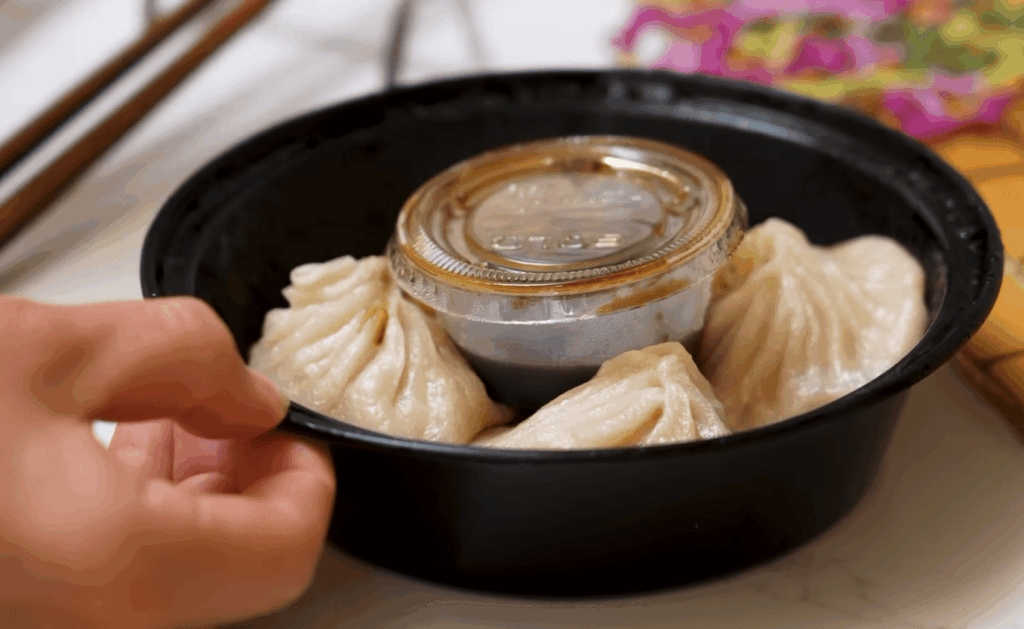
- Exploring specialties like poached pork slices or steamed dumplings can lead you to new favorites.
| Dish | Region | Highlights |
|---|---|---|
| Peking Duck | Beijing | Crispy skin, served with pancakes |
| Ma Po Tofu | Sichuan | Spicy, with a rich flavor |
| Dim Sum | Cantonese | Variety of small dishes for sharing |
| Hot Pot | Various | Cook your own ingredients in broth |
Conclusion
Dining experiences can be greatly enhanced by understanding the nuances of a menu. Navigating through the offerings becomes simpler when you recognize the distinction between Americanized favorites and authentic regional dishes.
Whether you crave a hearty beef dish, a comforting bowl of soup, or classic fried rice, there’s always something new to explore. Sharing meals with friends allows you to sample a variety of items like dumplings, roast duck, and savory pork preparations.
By focusing on fresh ingredients and traditional cooking styles, you can elevate your meal beyond the usual chicken and sauce combinations. Always feel empowered to ask questions or look for authentic wall specials to ensure you enjoy the best food available.
Remember, enjoying your meal is about more than just the food; it’s about the culture and history behind every delicious bite.