

Did you know that nearly 80% of pet owners often share their meals with their furry friends? This surprising statistic highlights a common practice that raises many questions about what is safe for our pets. One such query is whether sharing leftover food, especially grains, is a good idea.
Many pet owners wonder if their beloved companions can enjoy human food without any risks. While rice is often recommended as a remedy for digestive issues in pets, the preparation methods used in restaurants can vary significantly. Ingredients and seasonings found in restaurant dishes may not be suitable for your pet’s health.
Before making any changes to your pup’s diet, it’s crucial to consult a veterinarian. Proper nutrition is essential for their well-being, and relying on leftovers could introduce harmful additives. Understanding the potential risks associated with restaurant-prepared grains is vital to keeping your pet safe and healthy.
Key Takeaways
- Consult a veterinarian before altering your pet’s diet.
- Restaurant food may contain harmful ingredients.
- Rice can be beneficial for digestive issues when prepared correctly.
- Proper nutrition is key to your pup’s long-term health.
- Understanding food safety is essential for pet owners.
What is White Rice and Its Role in Dog Diets?
Pet owners frequently seek guidance on the best dietary choices for their four-legged friends. One common ingredient in many pet diets is rice. This staple carbohydrate serves as a quick energy source and is often part of bland diets recommended for digestive issues.
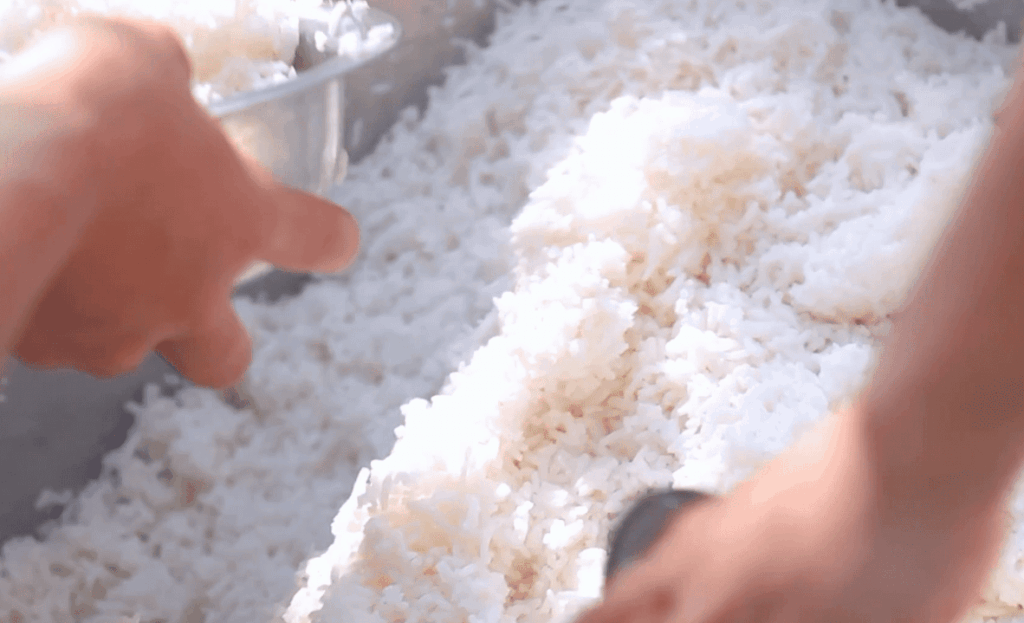
Unlike brown rice, which retains a nutrient-rich seed coat, white rice is highly processed. This makes it easier for a dog to digest. Many commercial dog food brands include rice as a filler. However, it should not replace high-quality protein sources in a balanced diet.
According to Dr. Carly Fox, a senior veterinarian, brown rice can be more challenging for a dog to digest due to its less processed nature. Therefore, while rice is generally safe, it is essential to serve it plain to avoid any digestive upset.
- Quick energy source: White rice provides immediate energy, making it a good option for pets recovering from illness.
- Digestibility: Its processed nature allows for easier digestion compared to brown rice.
- Not a protein substitute: Rice should complement a balanced diet rich in proteins.
- Plain is best: To maintain health, serve rice without added ingredients.
can dogs eat white rice from chinese restaurant: Safety Considerations
Many pet owners wonder about the safety of sharing human food with their pets. When it comes to grains like rice, caution is essential. Restaurant meals often contain various spices and seasonings that may be harmful to your pup.
Dr. Steve Weinberg, DVM, warns that ingredients like garlic and onions are commonly used in cooking and can be toxic. Additionally, many restaurant dishes have high levels of salt and oils, which can lead to severe stomach distress or even pancreatitis.
If your dog shows signs of allergies, such as itchy skin or gas, it’s important to consult your veterinarian. Responsible pet ownership means ensuring that any human food shared is free from harmful additives.
- Beware of toxic spices like garlic and onions.
- Excessive salt and oils can harm your pup’s stomach.
- Monitor for allergy symptoms and consult your vet.
- Always check for harmful additives in human food.
- Consider the risk of contamination in restaurant kitchens.
- Verify with your vet about any specific sensitivities.
Nutritional Benefits and Health Risks of Feeding Rice to Your Dog
Curious pet owners frequently explore the nutritional aspects of sharing meals with their companions. Rice is often considered a safe food for pets, especially during digestive issues. It offers several benefits, but there are also health risks to consider.
One of the primary advantages is its ability to aid digestion. Rice helps manage diarrhea by providing a bland source of carbohydrates that is gentle on the stomach during recovery periods. According to Dr. Steve Weinberg, a veterinarian, a bland diet of boiled chicken and rice is often recommended for pets experiencing gastrointestinal upset.
However, it’s important to be cautious. White rice has a high glycemic index, which can lead to rapid spikes in blood sugar levels. This is particularly risky for diabetic pets. Additionally, feeding too many high-carb foods can contribute to weight gain, making portion control essential.
| Aspect | Benefit | Risk |
|---|---|---|
| Digestive Health | Helps bind stool during diarrhea | May not provide enough fiber |
| Blood Sugar Management | Quick energy source | High glycemic index can spike blood sugar |
| Weight Control | Part of a balanced diet | Excessive carbs can lead to weight gain |
Always monitor your pet for signs of weight gain or fluctuations in blood sugar when adding rice to their regular meals. Understanding these benefits and risks will help you make informed choices for your furry friend.
How to Prepare and Serve Rice Safely for Your Dog
Understanding how to safely prepare and serve grains for pets is crucial for their health. Proper cooking methods and portion control are essential to ensure your pet enjoys rice without any adverse effects.

Correct Cooking Methods and Ingredient Guidelines
When preparing rice for your pet, always boil it in plain water. Avoid adding spices or oils, as these can upset your pet’s stomach. Additionally, cooked rice should be stored in the refrigerator to prevent bacteria growth, particularly Bacillus cereus, which can cause food poisoning.
Portion Control by Dog Size
Portion sizes are vital. For medium breeds, limit rice to about 1/4 to 1/2 cup, while toy breeds should only receive 1 tablespoon. Always consult your vet to tailor portions based on your dog’s activity level and caloric needs.
Preventing Contamination and Food Poisoning
If your pet suffers from diarrhea, a bland diet with a 2:1 rice-to-protein ratio can help soothe their upset stomach effectively. Remember, rice should not dominate your pet’s diet but rather serve as an occasional supplement to maintain nutritional balance.
Integrating Homemade Rice into Your Dog’s Diet
Introducing new foods into your pet’s meals requires careful planning and consideration. When integrating rice, it’s essential to do so gradually. This helps ensure their digestive system adjusts well to the new carbohydrate source.
Combining rice with lean, boiled protein like chicken can create a complete, easily digestible meal. This combination is especially beneficial for pets recovering from illness. It provides essential nutrients while being gentle on their stomachs.
Frequency matters too. Limit rice meals to no more than two or three times per week. This approach helps maintain a balanced nutritional profile. Always monitor your pet for any adverse reactions, such as vomiting or lethargy, when introducing new ingredients into their bowl.
By keeping rice as a small, controlled portion of their overall intake, you can safely support their health without causing weight gain. This mindful approach will contribute positively to your pet’s diet.

Conclusion
Providing the right nutrition is vital for our furry friends. Rice serves as a safe and effective option for managing occasional digestive issues when prepared correctly at home. However, it’s crucial to avoid restaurant-prepared grains due to the risk of harmful seasonings like onions and garlic.
Moderation is key. Rice should not exceed 10% of your pet’s daily caloric intake to prevent health complications. Always consult your veterinarian before making significant dietary changes, especially if your pet has underlying health conditions.
By following these simple guidelines, you can ensure your pet enjoys a soothing meal that supports their recovery and overall well-being.