
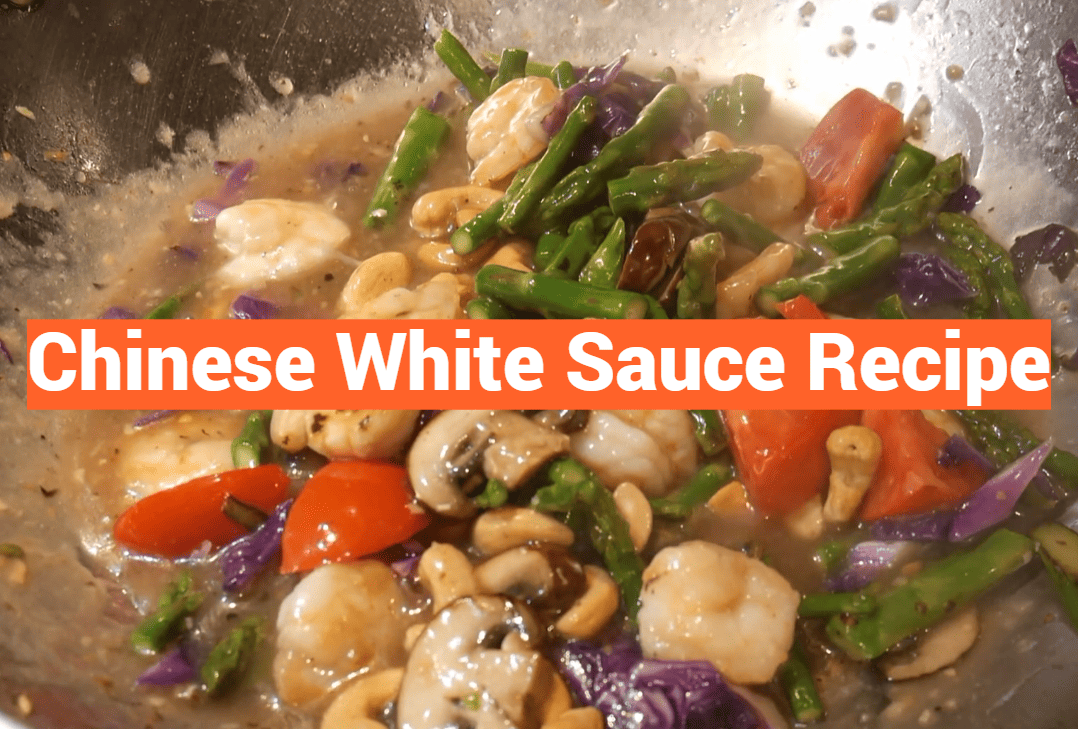
Did you know that a well-crafted sauce can elevate a meal from ordinary to extraordinary? In fact, a great sauce can transform basic ingredients into a culinary masterpiece. This particular sauce is a game-changer for all your Asian dishes, adding depth and richness that will impress your family and friends.
Imagine enjoying restaurant-quality meals right in your own kitchen. By mastering this essential sauce, you can replicate the authentic flavors often found in high-end dining. Our guide provides clear, step-by-step instructions to help you achieve the perfect consistency, making it a must-have in your cooking repertoire.
With this sauce, you can turn simple stir-fries into delightful experiences. It balances savory notes beautifully, ensuring your home-cooked meals consistently impress. Let’s dive into the world of flavors and learn how to make this versatile sauce!
Key Takeaways
- This sauce serves as a foundational element for restaurant-quality meals.
- Mastering simple sauce techniques allows for authentic flavor replication.
- Clear instructions ensure the perfect consistency every time.
- Transform basic ingredients into a professional-grade sauce.
- Impress family and guests with balanced, savory notes.
Introduction to This Chinese White Sauce Recipe
A well-made sauce can turn a simple meal into a delightful feast. This particular sauce is known for its light and clear appearance, setting it apart from heavier varieties. It brings a delicate flavor that enhances the natural tastes of your ingredients.
When you prepare this sauce, you create a versatile base that pairs wonderfully with seafood, chicken, and fresh vegetables. Its silky, glossy finish is a hallmark of authentic Cantonese-style cooking, making it a favorite among home cooks.
Here are some reasons why this sauce stands out:
- This sauce offers a light texture that complements your dishes without overwhelming them.
- It provides a glossy finish that enhances the visual appeal of your meals.
- Home cooks love its delicate flavor profile, which allows the main ingredients to shine.
- Incorporating this sauce into your weekly meal planning can elevate your home cooking.
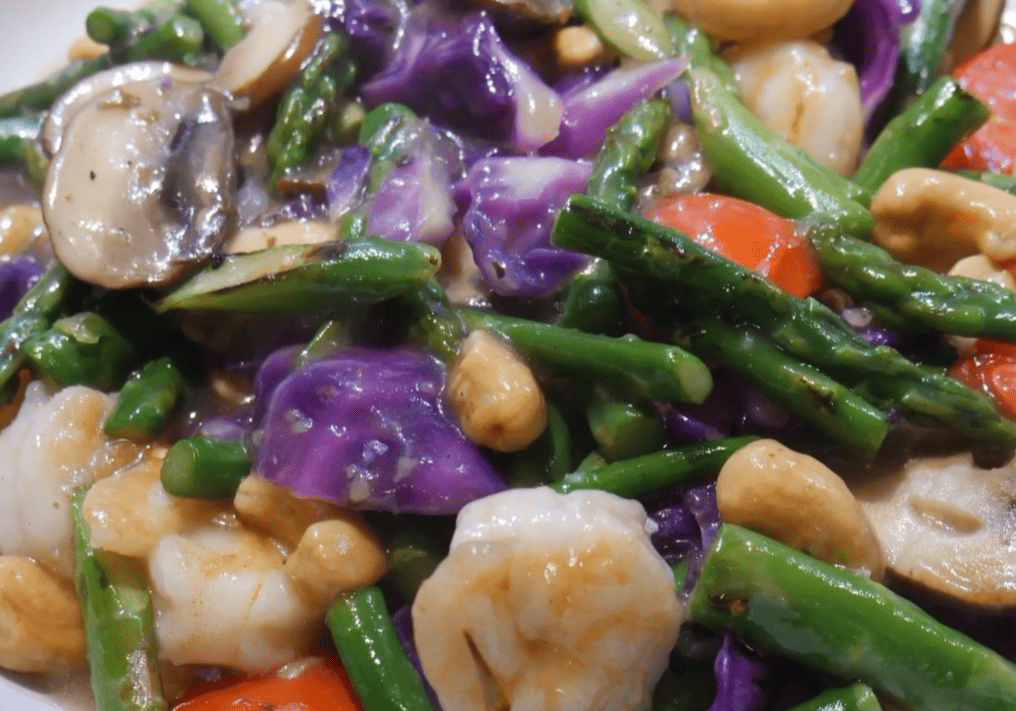
Essential Ingredients and Tools
The right combination of ingredients can transform your cooking experience. For this sauce, key elements include high-quality chicken powder, cornstarch, and fresh aromatics. Using trusted brands like Knorr or Lee Kum Kee chicken powder will provide a rich depth of flavor that enhances your dish.
Another essential is cornstarch, which is crucial for achieving that signature glossy finish. It’s what gives your sauce its appealing look and texture. Fresh ingredients like garlic and ginger are also vital. They add aromatic notes that elevate the overall taste of your dish.
When it comes to tools, a 14-inch flat-bottomed carbon-steel wok is ideal. This type of wok allows for even heat distribution, making it perfect for high-heat cooking, especially for stir fry dishes. Preparing your ingredients at home in advance ensures a smooth workflow, letting you focus on timing and technique for the best results.
With the right ingredients and tools, you’re well on your way to mastering delicious meals that impress!
The Cultural Background of Chinese White Sauces
Exploring the background of this sauce reveals its integral role in regional cooking. Traditional techniques from Cantonese cuisine have made this sauce a staple in dishes across Hong Kong and mainland China. Its history is rich and closely tied to the emphasis on clean, natural flavors.
Many classic recipes showcase the freshness of seasonal vegetables and high-quality proteins. This sauce is designed to enhance these ingredients without overpowering them. Understanding its cultural significance helps home cooks appreciate its enduring popularity.
- Its roots lie in Cantonese cooking, emphasizing lightness and balance.
- Over generations, recipes have evolved to highlight natural flavors.
- This sauce remains a preferred choice for delicate stir fry preparations.
- Traditional recipes focus on the quality of ingredients rather than heavy seasoning.
- Exploring these recipes reveals a culinary philosophy centered on texture and balance.
| Aspect | Description | Significance |
|---|---|---|
| Historical Roots | Originates from Cantonese cuisine | Foundation for many regional dishes |
| Flavor Profile | Light and delicate | Enhances natural ingredient flavors |
| Cooking Techniques | Focus on clean, natural flavors | Promotes freshness in dishes |
Step-by-Step Guide to Making Your Sauce
Crafting a flavorful sauce can transform your culinary creations. This section will guide you through preparing the essential aromatics and mastering the cornstarch slurry technique.
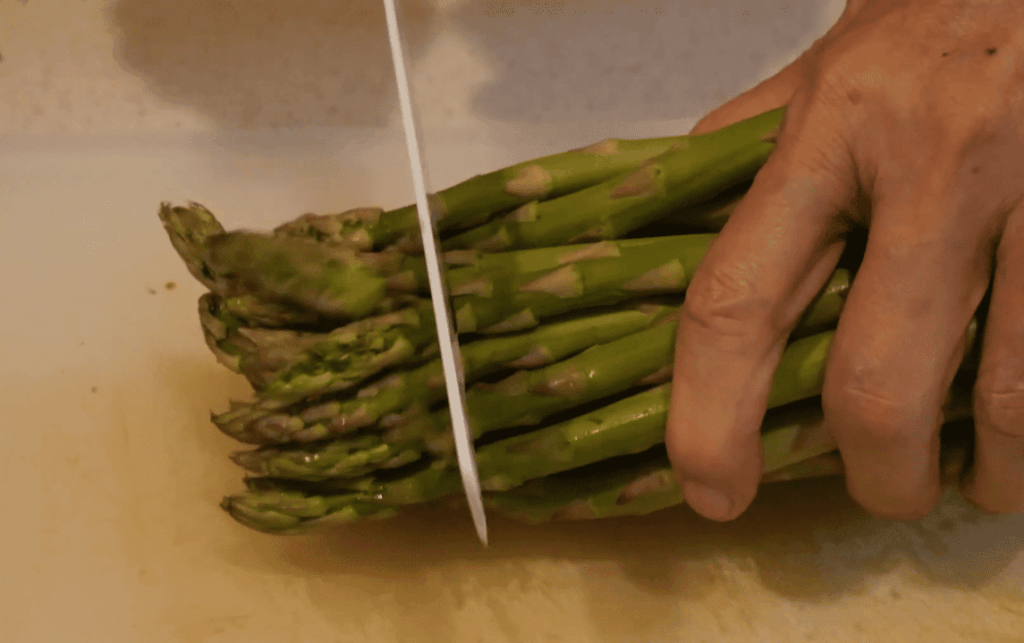
Preparing Aromatics and Infusing Flavors
Start by preparing your aromatics. You will need:
- 1 clove of garlic
- 1 stalk of green onion
- 1 slice of ginger
Keep these ingredients intact for easy removal later. This method allows for a clean infusion of flavors without bits left in your sauce.
Mastering the Cornstarch Slurry Technique
Next, focus on the cornstarch slurry. Mix 2 tablespoons of cornstarch with 1 tablespoon of cold water. This mixture is essential for thickening your sauce.
When you stir the slurry into the sauce, the heat activates the cornstarch, creating a clear, glossy texture. This is what makes your sauce cling beautifully to stir-fried ingredients.
| Ingredient | Amount | Purpose |
|---|---|---|
| Garlic | 1 clove | Flavor infusion |
| Green Onion | 1 stalk | Aromatic base |
| Ginger | 1 slice | Enhances flavor |
| Cornstarch | 2 tablespoons | Thickening agent |
| Cold Water | 1 tablespoon | Slurry preparation |
Chinese White Sauce Recipe: Detailed Cooking Instructions
A carefully crafted sauce can bring a burst of flavor to your cooking. This section outlines the steps to create a delicious sauce that enhances your favorite dishes.
Start by combining 1.5 cups of water with 5 teaspoons of chicken powder, 0.5 teaspoon salt, 1 teaspoon sugar, and 1 tablespoon rice wine in a pot. This mixture serves as the flavorful base.
Next, let the mixture simmer for 10 to 15 minutes. This allows the flavors to meld beautifully. During this time, you can prepare your cornstarch slurry by mixing 2 tablespoons of cornstarch with 1 tablespoon of cold water.
After simmering, slowly stir in the cornstarch slurry while the sauce is over medium heat. This step is crucial for achieving the desired thickness for your dishes. Your sauce should now be glossy and ready to coat your vegetables and protein.
This sauce is designed to be quick and easy, making it a perfect addition to your home cooking. With just 125 kcal per serving, it’s a light yet flavorful enhancement, though it does contain 3006 mg of sodium per serving.
| Ingredient | Amount | Purpose |
|---|---|---|
| Water | 1.5 cups | Base liquid |
| Chicken Powder | 5 teaspoons | Flavor enhancer |
| Salt | 0.5 teaspoon | Seasoning |
| Sugar | 1 teaspoon | Balancing flavor |
| Rice Wine | 1 tablespoon | Aromatic depth |
Techniques to Enhance Flavor and Consistency
A skillfully crafted sauce can turn even the simplest of ingredients into a gourmet experience. Balancing seasonings is essential for achieving the perfect taste. For a delightful finish, consider adding 0.25 teaspoon of toasted sesame oil after turning off the heat. This preserves its delicate aroma, enhancing your dish.
If you find your sauce is too thin, simply add an extra teaspoon of cornstarch to your slurry mixture. This adjustment allows for a more substantial coating on your proteins and vegetables.
For added depth, a small amount of high-quality stock or a pinch of salt can make a significant difference. Feel free to experiment with creative additions like a dash of white pepper or a splash of rice wine. Remember, maintaining consistent heat during the thickening process is key to keeping your sauce glossy.
- Enhance flavor with toasted sesame oil after cooking.
- Adjust thickness by adding cornstarch if needed.
- Consider using stock for deeper flavor.
- Experiment with white pepper or rice wine for customization.
- Keep heat consistent to avoid thinning out your sauce.
Creative Ways to Use Chinese White Sauce Recipe in Dishes
An expertly made sauce has the power to take your cooking to the next level. This versatile sauce can be a key player in many delicious meals. Here are some fantastic ways to incorporate it into your dishes:
Stir-Fry and Saucing for Seafood, Chicken, and Vegetables
Using this sauce can elevate classic dishes and bring out the best in your ingredients. Consider these ideas:
- Enhance classic meals like Moo Goo Gai Pan, where the sauce complements tender chicken and mushrooms perfectly.
- Drizzle it over boiled bok choy for a savory boost that enhances its natural flavor.
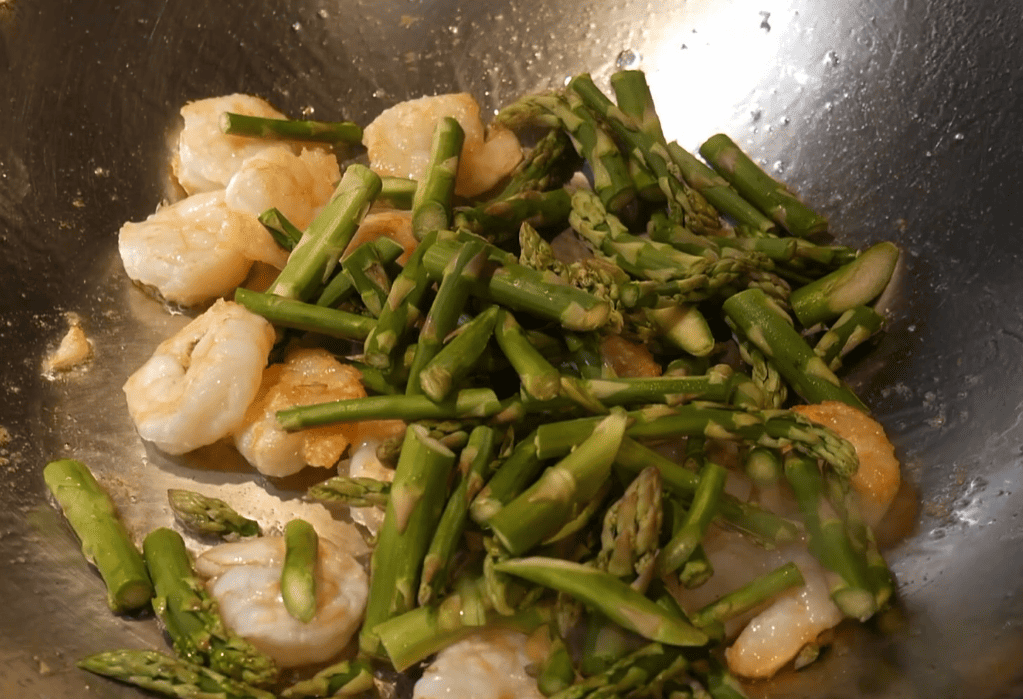
- When cooking seafood, the light nature of this sauce highlights the sweetness of shrimp without overwhelming it.
- Many home cooks find this sauce ideal for creating restaurant-style stir-fries that combine various proteins and seasonal vegetables.
- Incorporating this sauce can transform simple ingredients into a cohesive and flavorful meal for your family.
Adapting the Recipe for Dietary Preferences and Variations
Finding ways to cater to different dietary preferences can enhance your culinary repertoire. This sauce can easily be adjusted to meet vegetarian and vegan needs, making it versatile for everyone.
Vegetarian and Vegan Adjustments
For a vegetarian or vegan version, simply replace the chicken stock with high-quality vegetable stock. Use vegetable bouillon instead of chicken powder for flavor. This simple swap allows the sauce to maintain its delicious taste while being plant-based.
Customizing Thickness and Flavor Profiles
Customizing the thickness is straightforward. Adjust the amount of cornstarch slurry to ensure the sauce perfectly coats your chosen vegetables or proteins. You can also modify the flavor profile by adding:
- Chili oil for a spicy kick.
- Extra ginger for a sharper taste.
- A splash of soy sauce for added depth.
Leftover sauce can be stored in an airtight container in the refrigerator for up to 3 days. If you want to keep it longer, freeze the unthickened base for up to 3 months. This way, you can have a quick and easy sauce ready for your next meal!
Troubleshooting and Expert Tips for Perfect Sauce
Navigating the potential pitfalls of sauce-making can help you achieve a flawless finish. Understanding common issues will ensure your culinary creations shine. Here are some helpful tips to keep in mind.
Common Pitfalls and How to Fix Them
- If your sauce appears to congeal into a jelly after cooling, do not worry. It will return to a liquid state once heated in a pan.
- Avoid exposing the thickened sauce to prolonged high heat. This can break down the cornstarch structure and cause the sauce to thin out.
- If you find the sauce has become too thin, easily fix it by adding a small amount of additional cornstarch slurry while stirring.
- Expert cooks recommend keeping aromatics whole during the simmering process. This ensures the sauce remains silky and smooth without any unwanted bits.
- Always remember that the thickening power of cornstarch can diminish over time. You may need to re-thicken leftover sauce before serving.
| Issue | Solution | Notes |
|---|---|---|
| Congeals when cooled | Reheat in a pan | Returns to liquid state |
| Too thin | Add cornstarch slurry | Stir to combine |
| Unwanted bits in sauce | Keep aromatics whole | Ensures smooth texture |
| Thickening power lost | Re-thicken before serving | Use additional cornstarch |
Conclusion
A delicious sauce can elevate your cooking and impress everyone at the table. Mastering this essential recipe allows you to bring the authentic flavors of your favorite takeout dishes into your own kitchen.
By following these simple steps, you can create a versatile, glossy sauce that perfectly complements a wide variety of proteins and fresh vegetables. We encourage you to experiment with the suggested variations to tailor the flavor profile to your personal preferences and dietary needs.
Remember, the key to success lies in the quality of your ingredients and the careful application of the cornstarch thickening technique. We hope this guide empowers you to cook with confidence and enjoy the delicious results of your efforts in the kitchen!