

Did you know that over 3 billion cups of tea are consumed daily around the globe? This staggering figure highlights the significance of tea in various cultures, especially in dining experiences. Many people who visit establishments in regions like Guangdong or Hangzhou often find themselves captivated by the unique flavors of the beverages served alongside their meals.
In this guide, we aim to unravel the mysteries surrounding the specific types of tea enjoyed in these dining settings. You’ll learn about the historical importance of tea culture, which has been an integral part of Chinese dining for centuries. Our exploration will help you identify the distinct varieties, such as jasmine, oolong, and pu-erh, commonly featured in these establishments.
Furthermore, we will clarify the differences between generic blends and the high-quality loose-leaf options used by authentic venues. By mastering the brewing techniques outlined in this guide, you can recreate that perfect cup of tea that enhances your culinary experience at home.
Key Takeaways
- This guide helps identify specific teas served in restaurants.
- Explore the historical significance of tea culture in China.
- Learn to distinguish between various types of tea.
- Understand the difference between generic blends and high-quality loose-leaf teas.
- Master brewing techniques for the perfect cup of tea.
Understanding Chinese Restaurant Tea Culture
Across the globe, tea is more than just a drink; it’s a cultural experience for many. In China, this beverage plays a vital role in social gatherings and dining traditions. For centuries, tea has been intertwined with the culinary landscape, creating memorable moments for friends and family.
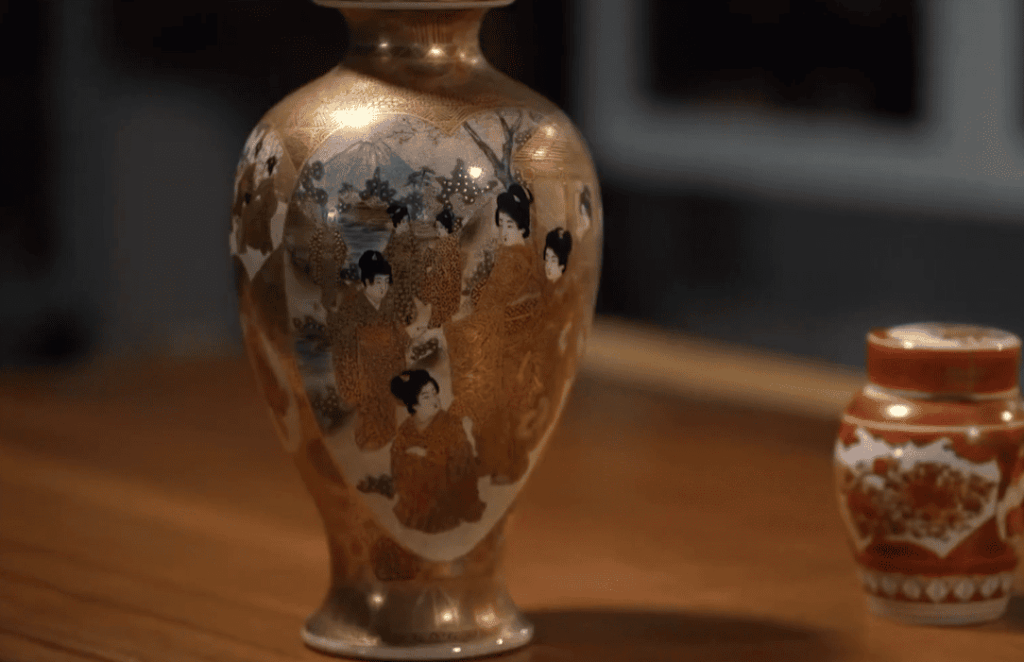
In many establishments, the tradition of serving hot tea symbolizes hospitality. Guests often share from the same pot, enhancing their connection. Historical records from the Culinary Heritage Institute show that this practice has been central to the dining experience for generations.
“The act of pouring tea for others is a fundamental aspect of Chinese tea culture that reinforces the bond between family and friends.”
Understanding these rituals helps diners appreciate why tea is frequently offered free of charge in many venues. This communal experience is not just about the drink; it’s about fostering relationships and creating lasting memories.
Exploring Common Tea Varieties in Chinese Restaurants
Tea is a beloved beverage that brings people together, and its varieties offer unique experiences. In many dining establishments, specific types of tea are served to enhance the meal. Among these, jasmine green tea stands out for its delightful floral aroma. This tea is made from green tea leaves that are scented with jasmine flowers, providing a refreshing contrast to rich dishes.
Tie Guan Yin, a popular oolong tea, is known for its smooth, less bitter profile. This tea features a subtle flowery aroma and a thicker texture, making it an excellent choice for those new to oolong. Many diners appreciate its versatility, as it can be enjoyed with a variety of foods.
Another notable option is ripe pu-erh tea. This fermented tea is recognized for its earthy, sweet flavor and is often served after meals. It aids in digestion, especially after rich or oily dishes, making it a favorite among patrons.
| Tea Type | Flavor Profile | Health Benefits |
|---|---|---|
| Jasmine Green Tea | Floral, refreshing | Rich in antioxidants |
| Tie Guan Yin | Flowery, smooth | Promotes relaxation |
| Ripe Pu-erh Tea | Earthy, sweet | Aids digestion |
These teas not only enhance the dining experience but also offer various health benefits. Whether you prefer the floral notes of jasmine or the earthy tones of pu-erh, there’s a perfect cup waiting for you.
The Heritage and Rituals Behind Chinese Restaurant Tea
The experience of drinking tea goes beyond taste; it’s steeped in history and customs. In many dining settings, the act of sharing a warm cup symbolizes hospitality and respect. Traditional serving etiquette often sees the host pouring tea for guests before filling their own cup. This gesture is a mark of honor and signifies the importance of the guest in Chinese culture.
Cultural rituals surrounding tea drinking foster social connections, transforming a meal into a memorable gathering. The warmth of the cup and the inviting aroma create a friendly atmosphere that enhances the dining experience. These practices are deeply embedded in the heritage of Chinese dining, ensuring that every guest feels valued throughout their meal.
The concept of “flavor memory” explains why tea served in restaurants often tastes better when enjoyed in the company of friends. Sharing these moments makes the experience uniquely satisfying, adding layers of enjoyment to the food and drink.
Decoding the Taste: Why Chinese Restaurant Tea Tastes So Good
The delightful experience of sipping tea can elevate any meal, particularly in a dining setting. Many high-quality venues opt for loose-leaf tea instead of tea bags. This choice allows the leaves more space to expand, releasing a fuller range of flavors.
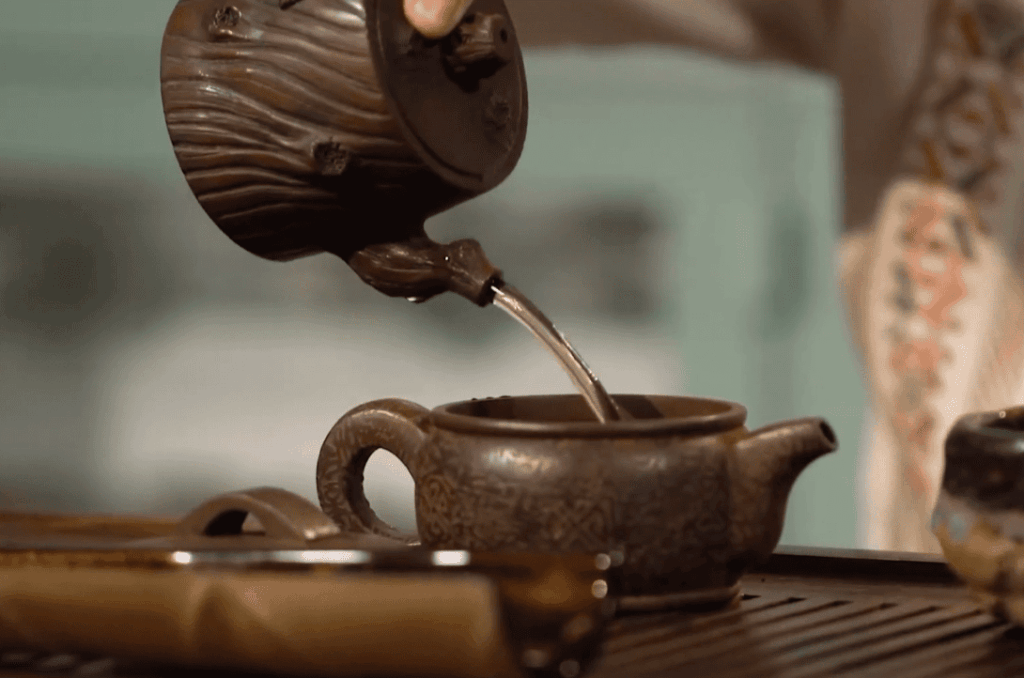
Additionally, the palate-cleansing properties of tea are essential during a meal. Compounds found in oolong and pu-erh help cut through the richness of heavily sauced dishes. This prepares the taste buds for the next bite, enhancing the overall dining experience.
Restaurants often brew their selections with high-temperature water, ensuring a strong flavor profile. For a lighter experience, white tea, such as the esteemed White Peony (Bai Mu Dan), may also be offered. By choosing quality loose-leaf options, these establishments provide a taste that is often hard to replicate with generic blends.
“The right cup of tea can transform a meal into a memorable culinary adventure.”
How to Recreate Restaurant-Style Tea at Home
Crafting restaurant-style tea at home can elevate your dining experience significantly. Start by prioritizing high-quality loose-leaf options instead of conventional tea bags. This choice allows for a richer flavor and aroma, mimicking what you would enjoy in a fine establishment.
The leaf-to-water ratio is crucial. Using 1 to 1.5 teaspoons of leaves per 6-8 ounces of water ensures a robust flavor. Slightly more leaves allow for multiple infusions, providing varied notes throughout your meal.
For a classic jasmine aroma, steep your tea at 180°F (82°C) for 2-3 minutes. This method prevents bitterness that can arise from boiling water. Additionally, rinse ripe pu-erh leaves with boiling water before the first steep to “wake them up.”
Creating your own DIY blend can be fun! Mix 2 parts of a medium-bodied oolong with 1 part jasmine green tea for a balanced profile. Lastly, using filtered water can significantly enhance the taste of your home-brewed cup.
Where to Buy Chinese Restaurant Tea: Sourcing Authentic Blends
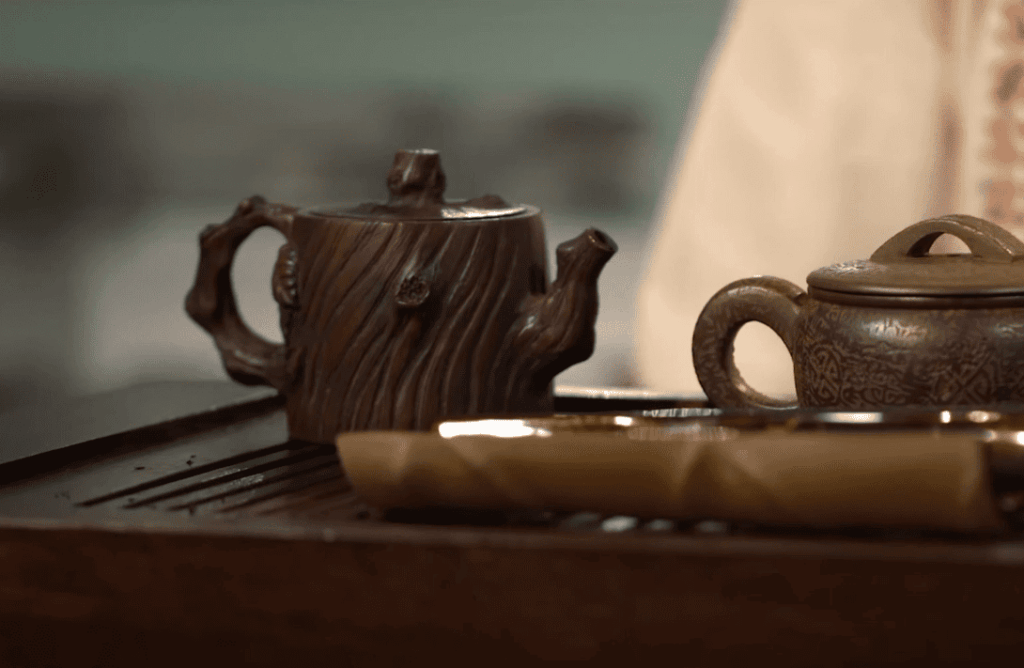
Finding quality tea leaves is essential for recreating the authentic flavors enjoyed in fine dining. Many enthusiasts seek out specialty retailers and online shops that offer high-grade options. These sources provide detailed information about the origin and quality of the leaves.
When exploring options, consider the following tips:
- Prioritize specialty retailers: Look for shops that focus on authentic blends rather than generic products.
- Check the unit price per ounce: This helps ensure you’re getting good value and quality.
- Inspect the leaves: Vibrant and whole leaves often indicate a higher quality product.
- Try sample packs: Many online shops offer these, allowing you to explore different types before committing.
- Research reputable sources: This ensures your home brew matches the quality found in the best establishments.
By sourcing from reliable vendors, you can enjoy exceptional flavors and aromas, bringing the experience of fine dining right into your home.
Regional Tea Preferences and Their Culinary Pairings
In the diverse landscape of China, tea preferences vary greatly from region to region. Each area has its own unique flavors and culinary pairings that enhance the dining experience.
In Hangzhou, locals favor their prized Longjing green tea, while Yanzhou showcases the famous Kui Long Zhu blend. These local varieties reflect the rich agricultural heritage of their regions.
In Northern China, particularly in Beijing and Shandong, the strong aroma of jasmine tea is preferred. Its robust flavor cuts through the hard water often found in these areas, making it a popular choice.
- Guangdong: Known for its preference for pu-erh, which aids digestion after rich meals.
- Fujian: Specializes in white tea, offering a delicate flavor that pairs well with light dishes.
- Zhejiang and Jiangsu: Serve local green teas like Dragon Well alongside steamed vegetables.
- Sichuan: Spicy dishes are often paired with refreshing teas to balance the heat.
Understanding these regional influences helps you choose the right cup to complement your food, whether dining out or enjoying a meal at home.
Brewing Techniques for Achieving the Perfect Cup
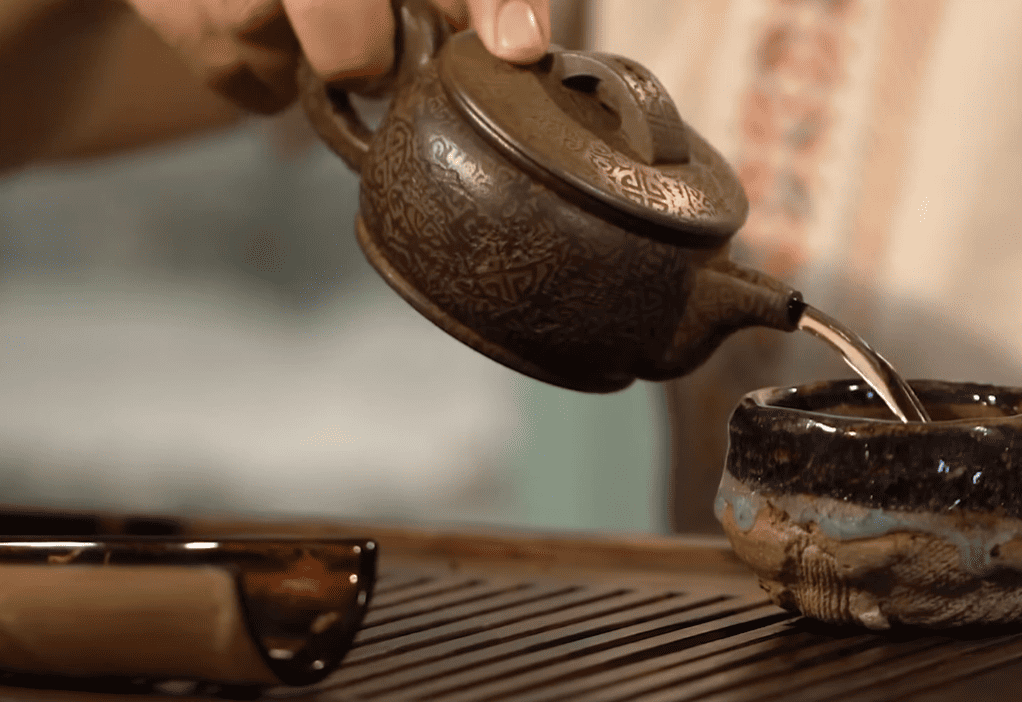
Creating a delicious cup of tea requires attention to detail, especially in water temperature and steeping time. Each type of tea has its unique needs, ensuring that you capture its full flavor profile.
For instance, green and white teas should be brewed at a water temperature of 175-185°F (80-85°C). This helps preserve their delicate, fresh flavors. On the other hand, oolong teas thrive at 195-205°F (90-96°C), allowing their complex notes to develop fully.
When brewing pu-erh tea, the “wash” technique is essential. This method removes dust and prepares the leaves for multiple infusions. Adjusting steep times is also crucial; green tea usually requires only 2-3 minutes, while oolong can steep for 3-5 minutes.
By following these professional brewing techniques, you can ensure that the flavors are as vibrant as those served in high-end venues. Consistent practices allow you to appreciate the subtle differences in aroma and taste that define high-quality teas.
| Tea Type | Ideal Temperature (°F) | Steep Time (minutes) |
|---|---|---|
| Green Tea | 175-185 | 2-3 |
| Oolong Tea | 195-205 | 3-5 |
| Pu-erh Tea | 205-212 | 3-5 |
Conclusion
Every cup of tea tells a story, weaving together flavors, aromas, and history. We have explored the diverse world of this beverage, from the floral notes of jasmine to the earthy depth of ripe pu-erh. Understanding the cultural significance and proper brewing techniques allows you to elevate your dining experience both at restaurants and in your own home.
Remember, the quality of your tea leaves and the precision of your water temperature are crucial for success. Whether you are a beginner or a seasoned enthusiast, there is always more to discover about the regional varieties and traditions of this delightful drink.
We hope this guide has provided you with the knowledge needed to identify your favorite brews and enjoy them with confidence. May your cup always be full and flavorful as you continue your journey into the rich and rewarding world of authentic tea.