
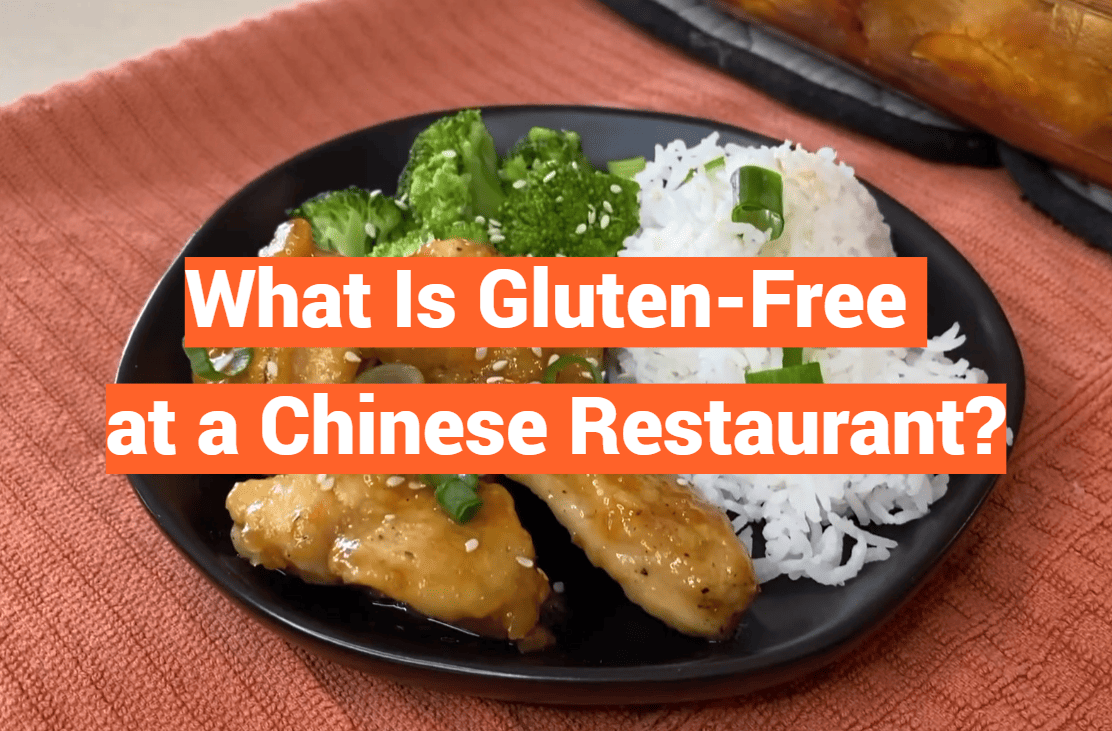
Did you know that approximately 1 in 100 people worldwide are affected by gluten intolerance? This condition can make dining out a real challenge, especially when it comes to enjoying your favorite dishes from a local eatery. Many traditional meals often hide gluten in sauces and batters, leaving those with dietary restrictions wondering what they can safely eat.
In her comprehensive guide, Karen Kelly explores the intricate world of Chinese cuisine while providing over 30 delicious recipes. She helps navigate the complexities of enjoying a meal without hidden gluten ingredients. Understanding the basics of gluten-free options at these establishments is essential for safely indulging in takeout.
From soy sauce to stir-fry, many classic dishes rely on wheat-based ingredients. However, with the right knowledge, you can confidently choose meals that fit your health needs without sacrificing the authentic flavors you love. This guide will help you identify naturally gluten-free dishes and communicate your dietary preferences to restaurant staff.
Key Takeaways
- Exploring gluten-free options in Chinese cuisine can be rewarding.
- Many traditional dishes contain hidden gluten in sauces.
- Understanding your options is key to safe dining.
- Wheat-based soy sauce is common, but alternatives exist.
- Communicating dietary needs to staff can enhance your experience.
- Identifying safe dishes allows you to enjoy authentic flavors.
Understanding Gluten in Chinese Cuisine
Dining out can be challenging for those with gluten intolerance, affecting their food choices. In traditional Chinese cuisine, many beloved dishes contain hidden sources of gluten. Understanding these sources can help you navigate the menu more effectively.
One of the most common culprits is soy sauce. This essential ingredient is typically brewed with wheat flour, posing a significant risk for those with Celiac disease. Additionally, many meat dishes may be coated in wheat-based breading or batter, adding hidden gluten to otherwise simple meals.
Other sauces, like oyster sauce, fish sauce, and hoisin sauce, often contain wheat-derived thickeners or flavor enhancers. Wonton wrappers and many types of noodles are also made from wheat flour, making them unsafe for anyone avoiding gluten. Furthermore, spring rolls and egg rolls are usually fried in batter containing gluten, increasing the risk of cross-contamination.
It’s essential to scrutinize every component of a dish. Even small amounts of wheat can trigger reactions in sensitive individuals, so awareness is key when enjoying Chinese cuisine.
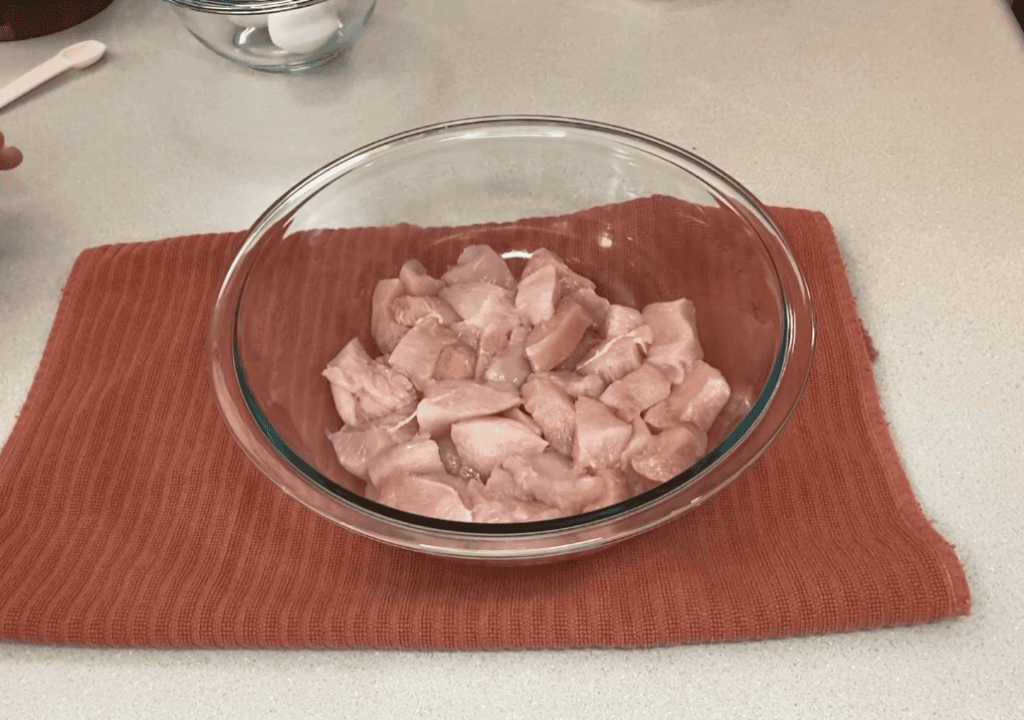
What is gluten free at a chinese restaurant
For many, eating out poses difficulties due to gluten-related dietary restrictions. Understanding what options are safe can enhance your dining experience. Identifying safe choices often requires insight into how kitchens prepare their signature dishes daily.
Simple steamed vegetables and plain meats are usually the safest food options. Many restaurants are willing to accommodate dietary needs if you ask about the ingredients in their sauces and marinades. Always confirm that your meal is prepared without standard soy sauce or other wheat-based flavorings.
Finding safe gluten-free options is becoming easier. More chefs are aware of Celiac disease and sensitivities. Always prioritize dishes that are steamed or stir-fried with fresh ingredients. Avoid those that are heavily battered or fried.
“The key to enjoying dining out is to ask questions and communicate your needs clearly.”
Navigating the Menu: Tips and Tricks
Navigating menus can be tricky for those avoiding gluten. Understanding how to identify safe options can make dining out much more enjoyable. A few simple strategies can help you feel more confident in your choices.
Consulting the guide from Beth Israel Lahey Health can provide you with a structured approach to identifying safe items on a complex menu. When you visit a restaurant, it is vital to speak directly with the staff to ensure they understand the severity of your allergy.
Additionally, checking the gluten-free Panda Express menu can show how large chains are adapting their food for wider accessibility. Always ask the server to verify with the kitchen if a specific dish can be prepared without the use of wheat-based thickeners.
Being clear and concise when ordering your food helps the kitchen staff avoid mistakes that could lead to accidental gluten exposure. If you are unsure about a menu item, it is always safer to choose a simpler dish that you know is naturally gluten free.
Choosing Safe Chinese Dishes for Gluten-Free Dining
Finding safe dining options can be daunting for those with dietary restrictions. However, making informed choices can lead to enjoyable meals. Focus on steamed proteins like chicken or seafood, which are typically safe and free from hidden wheat.
Plain steamed white rice is another staple that is generally gluten free, as long as it hasn’t been seasoned with soy sauce. When you order, be sure to request that your vegetables be steamed instead of stir-fried. This helps avoid any potential cross-contamination from the cooking surfaces.
Egg drop soup can also be a good choice, but confirm that the thickener used is cornstarch rather than wheat flour. Always ask if your meal is prepared in a clean pan to further reduce the risk of contamination.
By focusing on fresh, whole ingredients, you can enjoy a delicious and safe dining experience at any Chinese eatery.
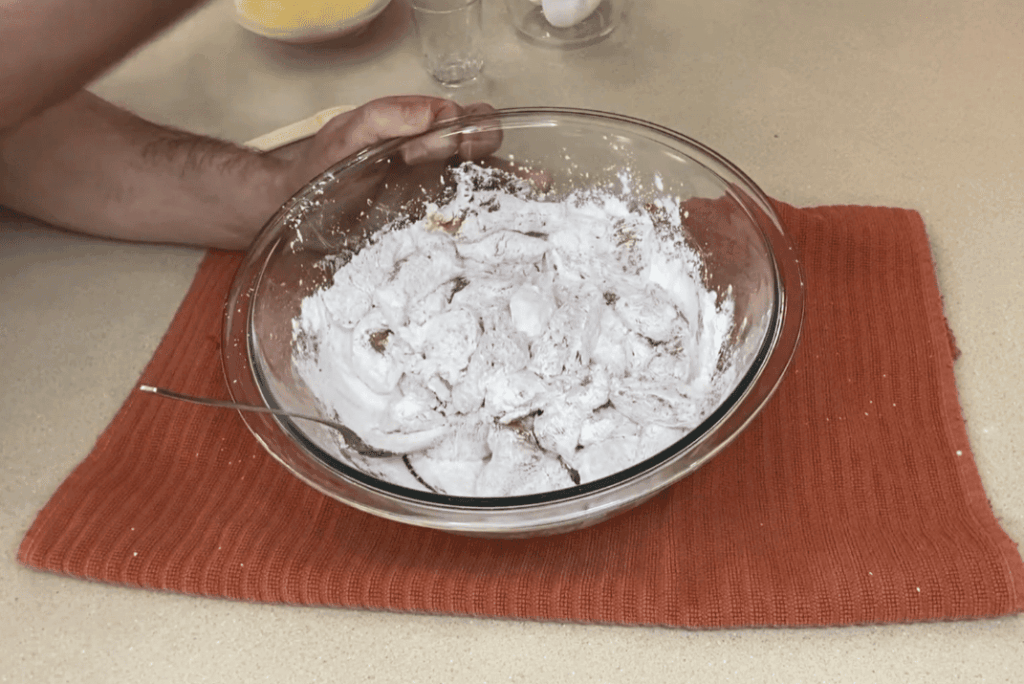
Gluten-Free Noodles and Alternatives
Exploring noodle options can reveal a world of gluten-free delights for diners. Various noodles provide not only safety for those with dietary restrictions but also exciting flavors and textures.
Rice noodles are a versatile staple in many dishes. They are typically made from rice flour or a mix of rice and tapioca flour. This combination gives them a soft and chewy texture, making them perfect for stir-fries or soups.
Another excellent choice is bean thread noodles, also known as glass noodles. Made from mung bean starch, they are naturally gluten-free and ideal for stir-fries or salads. Sweet potato noodles offer a unique, slightly sweet flavor and a satisfying chewiness, often found in Korean-inspired dishes.
Additionally, buckwheat noodles, or soba, add a nutty flavor to both cold salads and hot broths. Some restaurants now serve gluten-free egg noodles made from rice flour and tapioca starch, mimicking the texture of traditional wheat noodles.
Understanding the different flavor profiles of these noodles allows you to choose the best option for your favorite dishes.
| Noodle Type | Main Ingredient | Texture | Flavor Profile |
|---|---|---|---|
| Rice Noodles | Rice Flour | Soft and Chewy | Neutral |
| Bean Thread Noodles | Mung Bean Starch | Delicate | Neutral |
| Sweet Potato Noodles | Sweet Potato Starch | Chewy | Slightly Sweet |
| Buckwheat Noodles | Buckwheat Flour | Firm | Nutty |
| Gluten-Free Egg Noodles | Rice Flour & Tapioca Starch | Similar to Wheat | Neutral |
Sauce Solutions: From Soy to Tamari
Eating out can present unique challenges for individuals with certain food sensitivities. One major concern in Chinese cuisine is the use of traditional soy sauce, which is often a hidden source of gluten. This can make it difficult for diners to enjoy their meals safely.
Fortunately, there are delicious alternatives available. Tamari is a high-quality Japanese soy sauce made without wheat, providing the same savory umami flavor without the gluten. Many restaurants may even have gluten-free soy sauce upon request, allowing you to enjoy your favorite dishes.
If tamari is not available, consider bringing your own to enhance the flavor of your plain steamed dishes. However, always be cautious with dark sauces like hoisin or oyster sauce, as they may contain wheat-based ingredients.
- Traditional soy sauce is a primary source of gluten in Chinese cooking, making it essential to find a suitable replacement.
- Tamari offers the same savory umami flavor without the use of wheat flour.
- Many restaurants may have gluten-free soy sauce available if you ask.
- Bringing your own tamari can help you season your dishes safely.
- Dark sauces like hoisin or oyster sauce often contain gluten, so check the ingredients.
- Making your own sauce at home with tamari, garlic, and ginger replicates authentic flavors safely.
| Sauce Type | Gluten Content | Flavor Profile |
|---|---|---|
| Traditional Soy Sauce | Contains Gluten | Savory |
| Tamari | Gluten-Free | Savory |
| Hoisin Sauce | Contains Gluten | Sweet and Spicy |
| Oyster Sauce | Contains Gluten | Umami |
| Homemade Sauce (Tamari-based) | Gluten-Free | Customizable |
Preparing Gluten-Free Chinese Dishes at Home
Making dishes at home helps you avoid cross-contamination and guarantees safety. This allows you to control every ingredient and ensure your meal is completely safe to eat. You can easily create your own stir-fry sauce by combining tamari, honey, rice vinegar, and fresh aromatics like garlic and ginger.
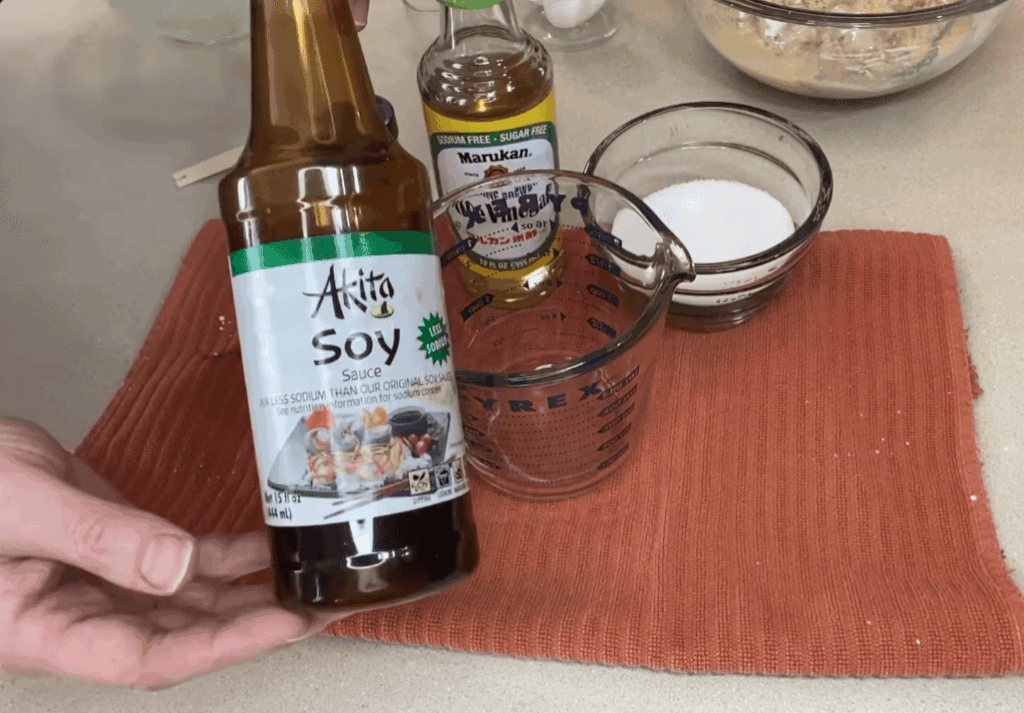
Master the art of stir-frying by ensuring your wok is thoroughly cleaned to prevent any cross-contamination from previous wheat-based cooking. Use high-quality cooking oils like sesame or vegetable oil to achieve the authentic, smoky flavor characteristic of professional Chinese cooking.
Always read the labels on pre-packaged condiments to ensure they are certified gluten free before adding them to your homemade recipes. Maintaining a dedicated gluten-free kitchen space with separate cutting boards and utensils is the best way to protect your health at home.
- Preparing dishes at home allows for complete ingredient control.
- Creating your own sauce ensures it meets your dietary needs.
- Thoroughly clean your cooking equipment to avoid cross-contamination.
- Use quality oils for an authentic flavor.
- Check labels on all condiments for gluten-free certification.
- Keep a separate space for gluten-free cooking to ensure safety.
Restaurant Strategies for a Safe Meal
Eating out poses unique challenges, particularly for individuals with specific dietary needs. To ensure a safe and enjoyable experience, it’s crucial to communicate effectively with restaurant staff. Here are some practical strategies to consider:
- Ask the staff if they can use fresh water for steaming your vegetables. This helps avoid any wheat residue from previous cooking.
- Inquire about shared fryers, as these can be a common source of cross-contamination for diners.
- Request that your meal be prepared in a clean wok or pan to minimize the risk of soy sauce traces.
- Be specific about your dietary needs. This helps the staff understand that even small amounts of gluten can trigger reactions.
- If you don’t feel comfortable with the answers provided, it’s okay to take your business elsewhere.
- Planning ahead by calling during off-peak hours can give you more time to discuss your needs with the staff.
Customer Experiences and Real Reviews
While dining out can be enjoyable, it poses unique hurdles for individuals with food sensitivities. Fortunately, many diners have shared positive experiences at restaurants that prioritize gluten-free options.
For instance, diners at Xi’an in Beverly Hills rave about the staff’s exceptional awareness of allergies. They can adapt nearly any dish to meet gluten-free needs.
BIBIBOP in Kansas City stands out as a goldmine for those seeking a 100% dedicated gluten-free dining environment. This restaurant ensures a safe and delicious experience for all guests.
At the historic Nom Wah in Manhattan, the knowledgeable staff provide gluten-free tamari sauce, making it easier for diners to enjoy authentic dim sum.
Another great option is Kimbap Lab in NYC, a fully gluten-free establishment that uses dedicated cookware to prevent cross-contamination.
These real-world reviews highlight the importance of finding a restaurant that prioritizes the safety of its gluten-free customers. Sharing these experiences helps the community identify safe spots where they can enjoy authentic Asian food without the fear of reactions.
Popular Gluten-Free Chinese Recipes to Try
Bringing the flavors of Chinese cuisine into your kitchen is easier than you think. There are numerous recipes available for those eager to recreate their favorite dishes at home.
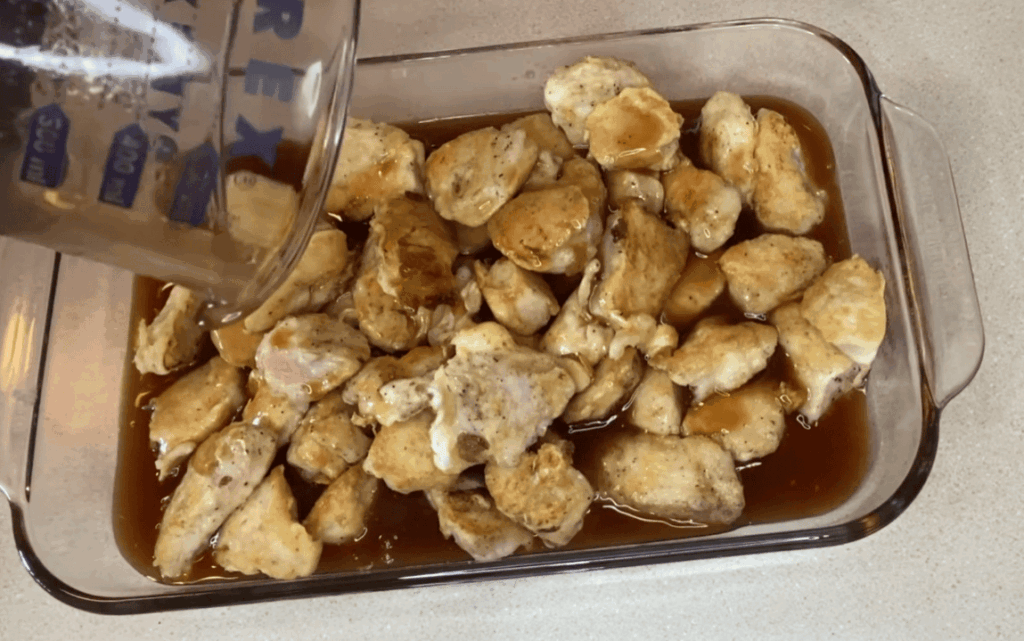
Here are some popular options:
- Fried Rice: A classic dish that can be made using tamari, fresh vegetables, and your choice of protein for a healthy meal.
- Lettuce Wraps: These are naturally gluten free and can be filled with savory ground chicken or turkey.
- King Prawn Stir Fry Noodles: This quick 15-minute meal is perfect for enjoying a delicious dinner without any wheat.
- General Tso’s Chicken: Adapt this dish using cornstarch for the batter and a homemade sauce to ensure it is completely gluten free.
These popular recipes prove that you do not have to miss out on the joy of eating delicious Chinese food at home.
Adapting Traditional Recipes for a Gluten-Free Diet
Transforming classic recipes into gluten-free versions can be both simple and rewarding. One effective swap is using cornflour instead of wheat flour. This change allows you to create that signature crispy texture in dishes like chilli beef.
Another helpful tip is to replace Shaoxing rice wine with dry sherry in your chow mein. This substitution keeps the authentic flavor intact while ensuring safety for those with dietary restrictions.
- Experimenting with different gluten-free flours can help recreate battered dishes, such as sweet and sour chicken, with great success.
- Focus on using fresh, high-quality ingredients to enhance the natural flavors of your gluten-free Chinese dishes.
- Many traditional recipes are naturally gluten free, requiring only minor adjustments to sauces or seasonings.
- By learning these adaptation techniques, you can enjoy a wide variety of Chinese food while adhering to your health requirements.
“Adapting recipes not only meets dietary needs but also opens up new culinary adventures.”
Allergy Awareness Beyond Gluten
Dining out often presents additional challenges for those managing multiple food allergies. Many restaurants are now catering to the top 8 allergy-free requirements, including soy, dairy, and shellfish. This shift is essential for ensuring all guests can enjoy their meals safely.
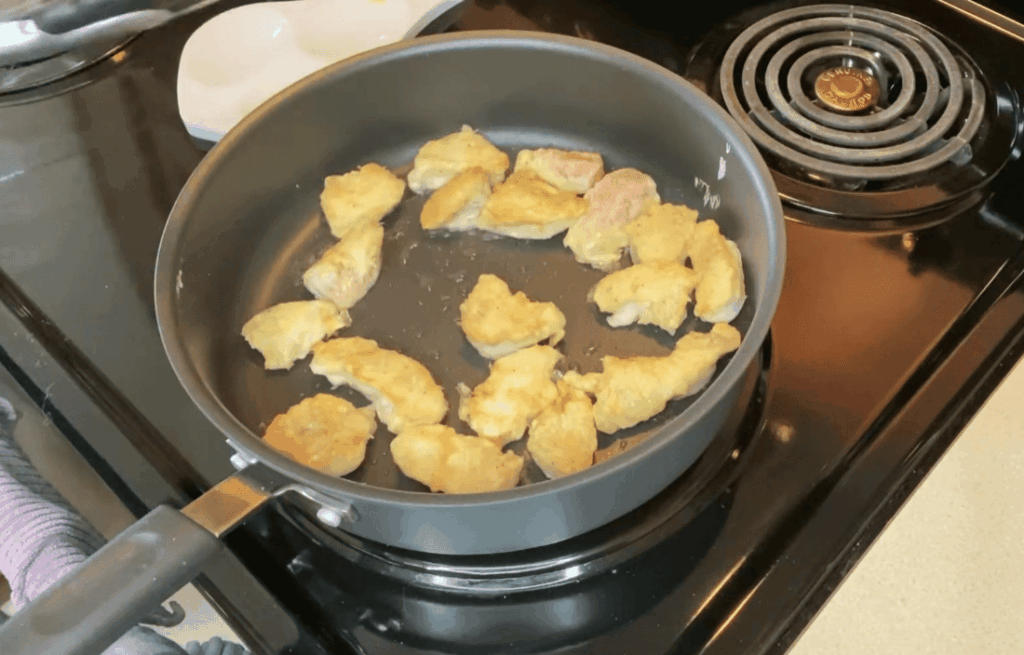
For some diners, managing complex combinations of allergies—such as soy, wheat, and sesame—requires careful communication with restaurant staff. Here are some tips to help you navigate your dining experience:
- Be vigilant about dietary needs beyond gluten, like soy or shellfish allergies.
- Modern establishments are becoming better at accommodating various dietary needs.
- If you have a soy allergy, exercise caution, as soy is a foundational ingredient in most Chinese food.
- Clearly communicate your specific dietary needs to the staff; they may prepare dishes using alternative seasonings.
- Some restaurants offer an allergen grid, simplifying the process of identifying safe food options.
- Being proactive about your allergies helps you build a list of safe restaurants where you can dine with confidence.
| Allergen | Common Sources | Alternatives |
|---|---|---|
| Soy | Soy sauce, tofu | Tamari, coconut aminos |
| Dairy | Cheese, cream | Nut milk, coconut cream |
| Shellfish | Shrimp, crab | Fish, chicken |
| Wheat | Wheat flour, soy sauce | Rice flour, cornstarch |
| Sesame | Sesame oil, seeds | Sunflower oil, pumpkin seeds |
Conclusion
Dining out doesn’t have to be a stressful experience, even for those managing dietary restrictions. With the right knowledge and communication strategies, navigating the menu at a Chinese restaurant becomes much easier.
By focusing on simple, steamed dishes and using tamari as a substitute for soy sauce, you can enjoy a safe and delicious meal. Preparing your own gluten-free Chinese food at home is a rewarding way to explore new recipes while keeping your diet strictly safe.
Always prioritize your health by asking questions about cross-contamination and choosing establishments that understand your specific dietary needs. With the growing number of gluten-free options available, you no longer have to miss out on the vibrant flavors of Chinese cuisine.
We hope this guide empowers you to dine out or cook at home with total confidence and joy in every bite.