
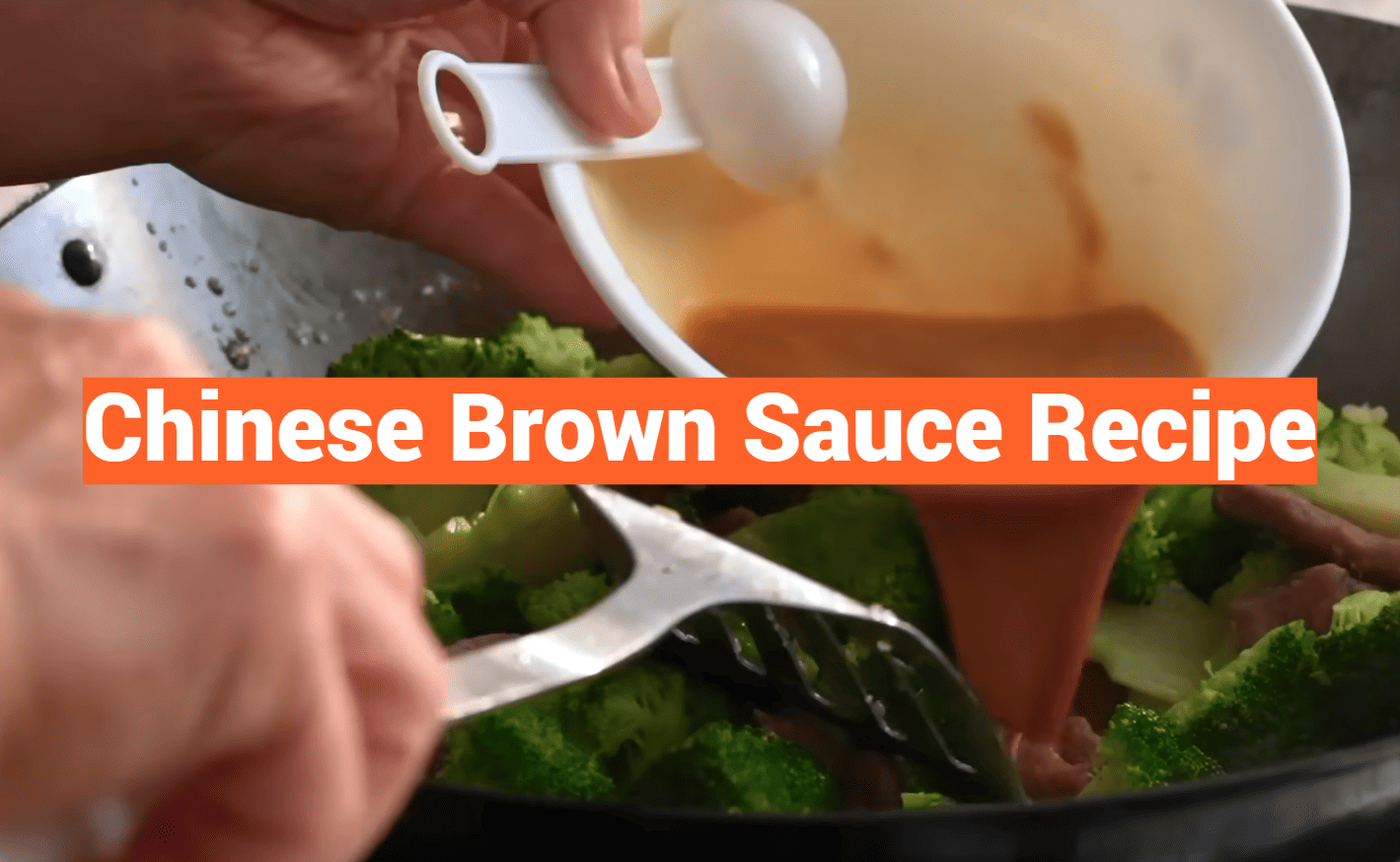
Did you know that the average American consumes over 12 pounds of soy sauce each year? This staple ingredient adds a rich flavor to countless dishes, but have you ever thought about making your own savory sauce at home? With just a few pantry-friendly ingredients, you can create a delightful blend that captures the essence of takeout flavors.
This homemade sauce makes approximately 1 cup, perfect for enhancing stir-fries, noodles, or even as a dip for dumplings. The foundation combines soy sauce, oyster sauce, and a touch of sugar, creating a balanced taste that elevates any meal. You’ll find that the addition of garlic and cooking wine brings depth to the flavor profile.
What’s more, this simple cooking method is ideal for busy weeknights. With an estimated 160 calories per batch, it’s a tasty yet mindful choice. Let’s dive into the world of flavors and discover how to whip up this delicious sauce!
Key Takeaways
- This sauce makes about 1 cup, ideal for multiple meals.
- Key ingredients include soy sauce, oyster sauce, and garlic.
- It’s easy to prepare, perfect for weeknight dinners.
- The sauce is versatile, enhancing stir-fries and noodles.
- Each batch contains approximately 160 calories.
Introduction to Chinese Brown Sauce
What if you could replicate the taste of your favorite takeout with a homemade blend? This savory-sweet coating is a key element in many stir-fries, adding depth and flavor to your dishes. The classic version often includes oyster sauce, but there’s a quick vegan alternative that can be ready in less than 10 minutes.
In this speedy variation, soy sauce provides a rich umami flavor while sugar or maple syrup balances its saltiness. The addition of cornstarch gives the coating a glossy texture, allowing it to cling beautifully to vegetables, proteins, noodles, and rice.
With only 58 calories per serving and a stellar rating of 5 from 100 votes, this vegan option is not only delicious but also flexible. It can easily be adapted to suit various dietary preferences, making it a fantastic choice for any meal.
- This coating enhances the flavor of homemade stir-fries.
- The vegan version is quick to prepare, taking under 10 minutes.
- Soy sauce adds saltiness and umami, while sugar softens sharp notes.
- Cornstarch creates a glossy texture that clings to food.
- The vegan alternative is low-calorie and highly rated.
The Versatility and Authenticity of Chinese Cuisine
Imagine bringing the authentic flavors of your favorite dishes right into your kitchen. This all-purpose blend can be used in various traditional meals, enhancing everything from beef and broccoli to chow mein. With just one batch, you can create about 1½ cups, which is enough for approximately 12 servings.
Using a prepared sauce base makes cooking faster and more efficient. It allows you to focus on searing proteins and vegetables separately, creating a delightful meal without the stress. The versatility of this sauce means it can easily adapt to modern dietary preferences. Whether you prefer vegan, gluten-free, or spicy options, there’s a version for everyone.
Here’s a quick look at some traditional and modern uses:
| Traditional Uses | Modern Innovations |
|---|---|
| Beef and Broccoli | Vegan Variations |
| Chicken and Broccoli | Gluten-Free Options |
| Chow Mein | Spicy Adaptations |
| Egg Foo Young | Seafood-Friendly Choices |
| Dumplings | Oil-Free Versions |
Authenticity is achieved by balancing soy, cooking wine, and aromatics, steering clear of artificial flavors. This ensures a rich, homemade taste that elevates any meal.
Essential Ingredients for a Flavorful Sauce
Unlock the flavors of your dishes by knowing the vital ingredients for a savory blend. A well-crafted sauce relies on a few key components that create its unique taste. The classic version includes 2 tablespoons low-sodium soy sauce, 2½ tablespoons oyster sauce, and 1 tablespoon Shaoxing cooking wine. These ingredients provide a perfect balance of salty and sweet flavors.
For thickness, 2 tablespoons of cornstarch are essential. This ingredient helps achieve that glossy texture that clings to your favorite foods. If you prefer a vegan alternative, consider using ½ cup vegetable broth instead of oyster sauce. Pair it with 3 tablespoons low-sodium soy sauce, 2 tablespoons rice vinegar, and 2 tablespoons maple syrup for a delightful taste.
Don’t forget to enhance your sauce with aromatics! Adding minced garlic, ginger, and a hint of spices like red pepper flakes can elevate the flavor profile. Additionally, for those with dietary restrictions, alternatives like potato starch or arrowroot can be used instead of cornstarch.
Mastering the chinese brown sauce recipe
Have you ever wondered how to achieve the perfect balance in your homemade sauce? This blend is all about harmony. The ideal mix of salty soy, sweet sugar, savory oyster, aromatic garlic, and fragrant sesame oil creates a delightful experience.
Start with approximately ¼ cup of this blend for stir-fries or noodles. After tasting, feel free to adjust by adding a few tablespoons at a time. The goal is a glossy, translucent coating that clings beautifully to your ingredients.
It’s normal for the sauce to thicken and take on a jelly-like texture as it cools. This happens because the cornstarch continues to set. Remember, the sauce will loosen again when heated in a hot pan.
| Ingredient | Function | Amount |
|---|---|---|
| Soy Sauce | Salty base | 2 tablespoons |
| Oyster Sauce | Savory depth | 2½ tablespoons |
| Sugar | Sweet balance | 1 tablespoon |
| Cornstarch | Thickening agent | 2 tablespoons |
| Garlic | Aromatic flavor | 1 clove, minced |
Step-by-Step Preparation Guide
Have you ever considered how simple it is to create a flavorful blend right in your kitchen? Let’s break down the preparation process into easy steps.
Preparing the Garlic and Cornstarch Mixture
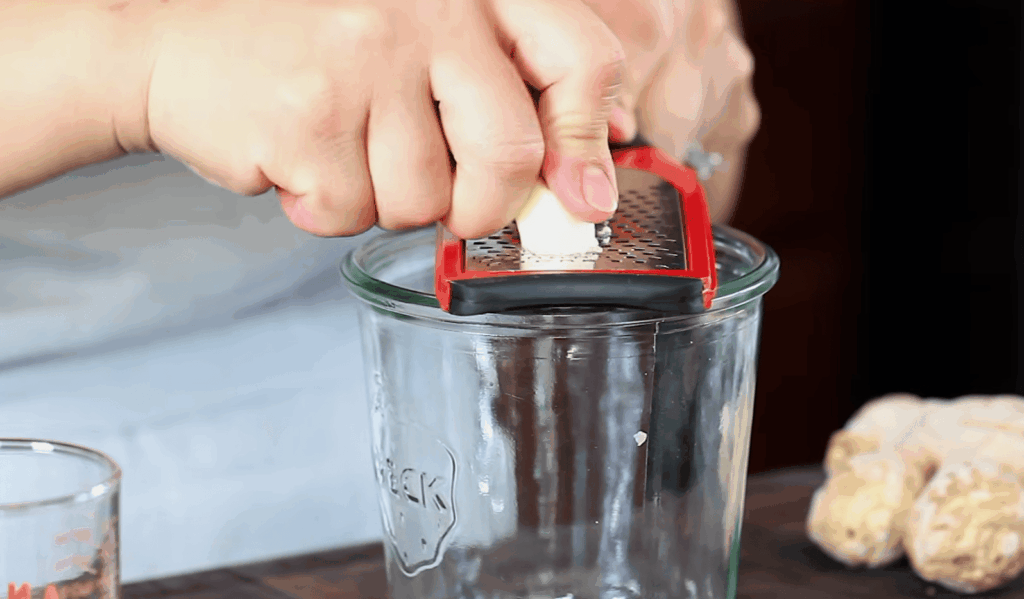
Start by smashing 1 clove of garlic with the side of a knife. This method allows the garlic to infuse the mix gently, and you can easily remove it before serving.
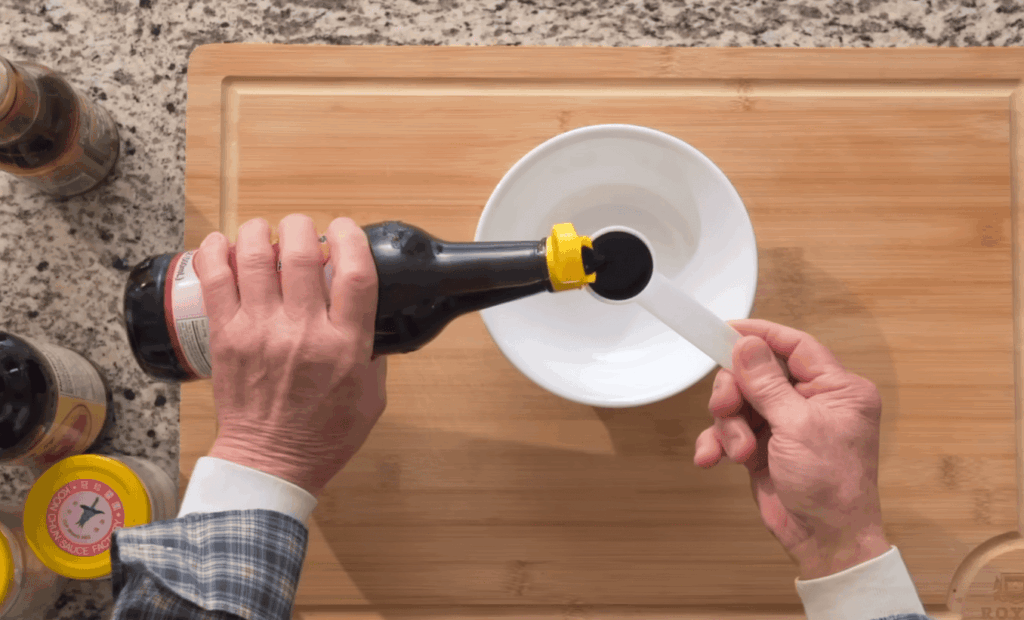
Next, whisk 2 tablespoons of cornstarch into 2 tablespoons of soy sauce until fully dissolved. This step is crucial to prevent lumps in your final mixture.
Cooking Process Explained
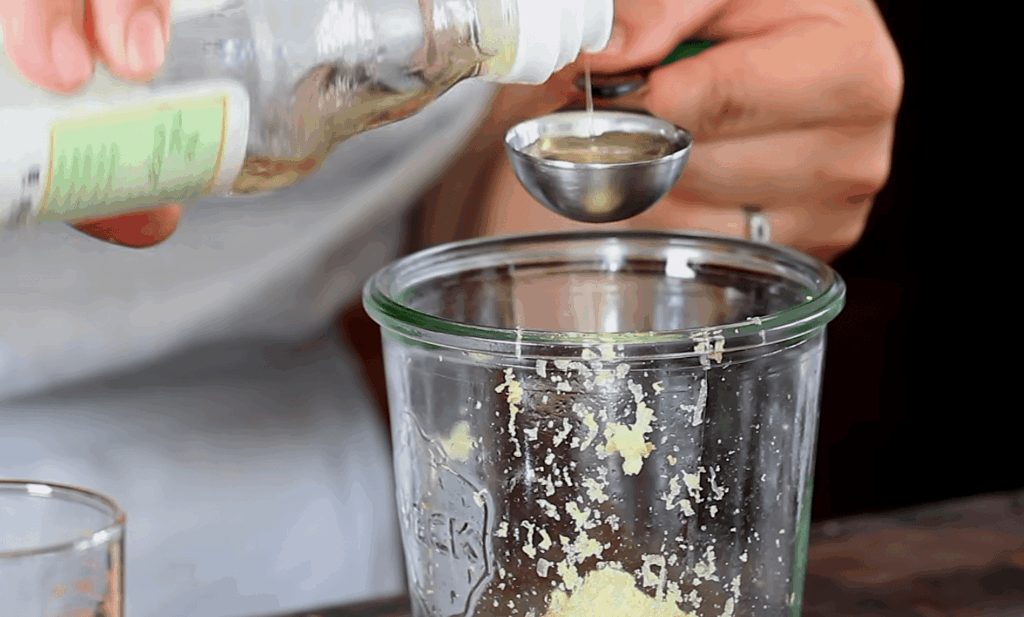
Now, add the remaining ingredients in this order: 2½ tablespoons of oyster sauce, 1 tablespoon of Shaoxing cooking wine, 1 teaspoon of sugar, and 1 cup of water.
Pour this mixture into a cold pot over medium-low heat. Stir continuously to ensure everything blends well and the garlic infuses gradually. Once the sauce boils vigorously and thickens, let it simmer on low for about 1 minute.
For an optional finishing touch, stir in ½ teaspoon of sesame oil after removing the pot from heat. This adds a delightful aroma and flavor.
Tips & Tricks for Perfecting Your Stir-Fry Sauce
Crafting the perfect stir-fry sauce requires attention to detail and a few handy tips. Understanding common pitfalls can help you achieve a flavorful blend that enhances your dishes.
First, remember that cornstarch can settle. Always stir the mixture again before adding it to the pot. This prevents uneven thickness in your sauce.
Start your sauce in a cold pot and gradually increase the heat. This method allows for better blending of flavors and avoids scorching.
When it comes to adding sesame oil, do so after turning off the heat. This preserves its delicate flavor and aroma.
If you want to spice things up, consider using chili oil, fresh chilies, hot sauce, or Sriracha. This way, you can adjust the heat level to your preference. For a family-friendly option, simply omit the red pepper.
Lastly, if you need a substitute, potato starch can replace cornstarch. However, it will create a silkier texture that is less thick.
| Tip | Description |
|---|---|
| Stir Cornstarch | Stir again before cooking to avoid lumps. |
| Cold Pot Start | Begin in a cold pot to blend flavors well. |
| Add Sesame Oil Last | Preserves the nutty aroma and flavor. |
| Spice Adjustment | Use chili oil or Sriracha for heat. |
| Potato Starch Substitute | Creates a silkier but less thick result. |
Creative Ways to Use Chinese Brown Sauce in Dishes
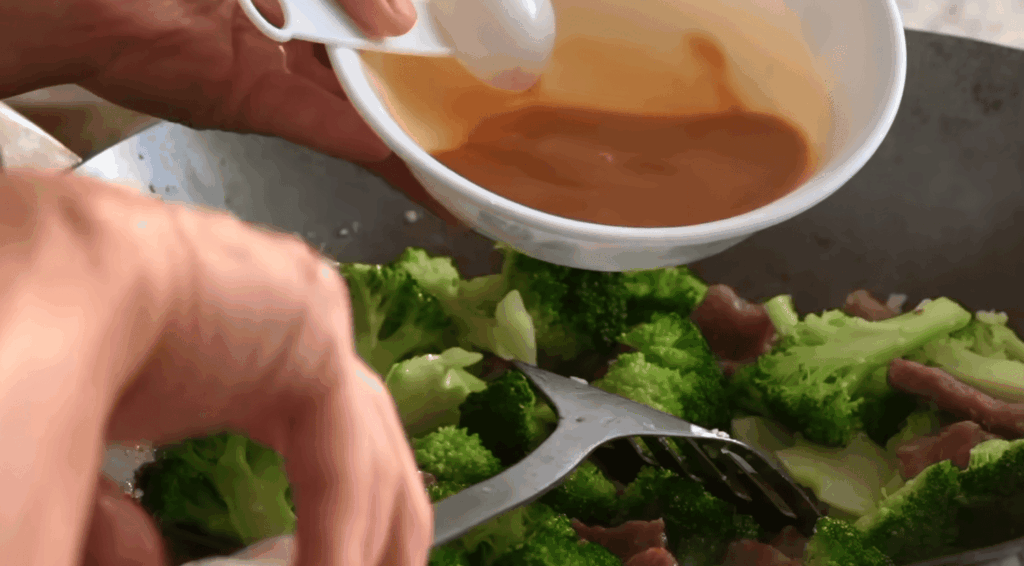
Imagine creating delightful meals with just a few spoonfuls of a well-crafted blend. This versatile sauce is perfect for enhancing a variety of dishes. Whether you’re whipping up chow mein or stir-fried noodles, the glossy coating clings beautifully without creating pools of liquid.
For rice-based meals, consider pairing it with beef and broccoli or chicken and broccoli. It also complements egg foo young, giving you that complete takeout-style plate at home.
Start with approximately ¼ cup of this flavorful blend, especially when mixing with rice, which absorbs the liquid well. For vegetarian and vegan options, try it with broccoli, peppers, carrots, onions, or even summer rolls and dumplings.
Seafood, beef, chicken, pork, shrimp, and tofu can all benefit from this sauce. Just adjust the amount based on the moisture of your ingredients and portion sizes. The possibilities are endless!
Storage, Freezing, and Reheating Best Practices
Storing your homemade blend properly can extend its shelf life significantly. For the classic version, place any leftovers in a clean jar or airtight container. This can be refrigerated for up to 1 week.
If you opt for the vegan variation, keep it in a covered glass jar, where it will last for about 4 to 5 days. For longer storage, consider freezing the unthickened mix in an airtight container for up to 3 months.
When you’re ready to use the frozen blend, allow it to thaw overnight in the refrigerator. Reheat gently on the stovetop, and if necessary, adjust the consistency with a fresh cornstarch slurry, as older sauces may lose their thickening power.
| Storage Method | Duration |
|---|---|
| Refrigerate (Classic) | Up to 1 week |
| Refrigerate (Vegan) | 4 to 5 days |
| Freeze (Unthickened) | Up to 3 months |
| Thawing Method | Overnight in refrigerator |
| Reheating Tip | Gently on stovetop |
Conclusion
Creating your own savory blend at home not only saves money but also allows you to customize flavors to your liking. This method offers a practical alternative to takeout using accessible ingredients and a straightforward technique. Start by dissolving cornstarch in soy sauce, then combine the remaining ingredients and heat them gradually in a cold pot.
A brief simmer of about one minute finishes the texture, while adding sesame oil off the heat preserves a fresh aroma. This versatile blend can enhance everything from beef and chicken to seafood, vegetables, noodles, and dumplings. With guidance on refrigeration, freezing, and reheating, you can prepare this blend ahead of time for future meals.
By tasting and adjusting the amount you use, you can control the intensity for each dish, making it a delightful addition to your culinary repertoire.