
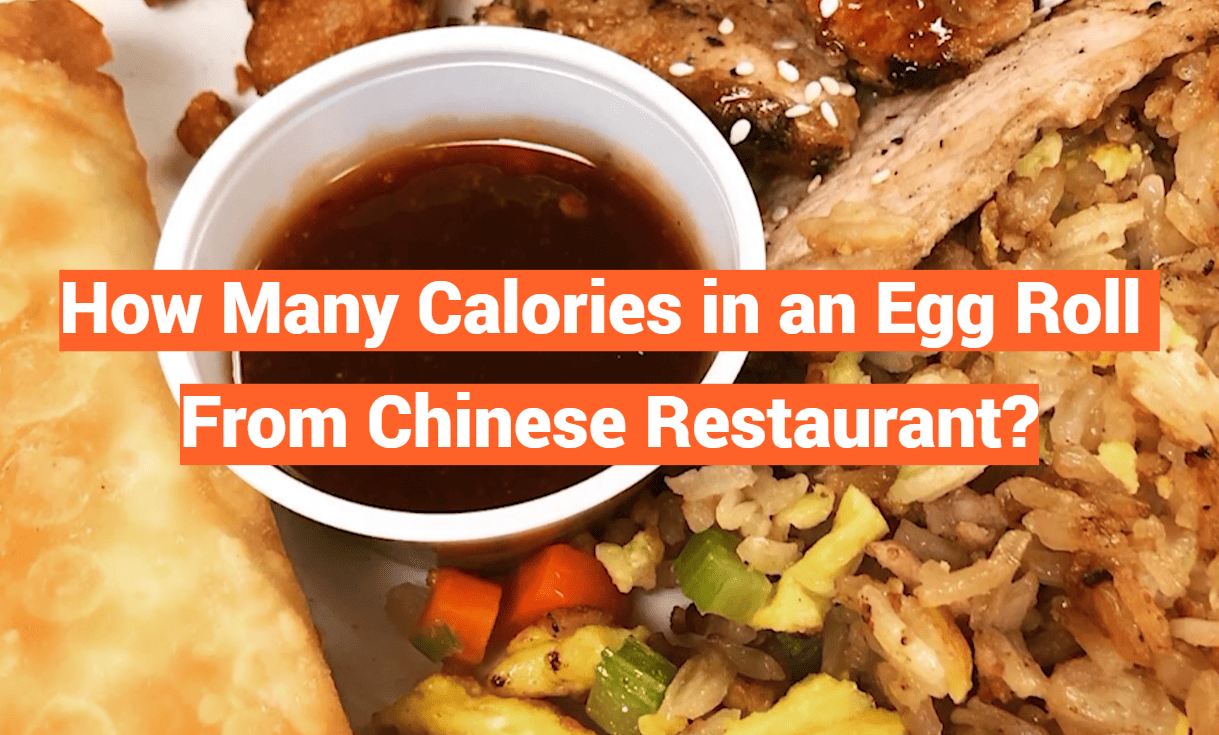
Did you know that a typical egg roll weighing 89 grams can contain around 223 calories? This surprising fact often catches diners off guard. As people become more health-conscious, understanding the caloric content of popular dishes like egg rolls is essential.
Many diners frequently ask about the calorie count of these delightful appetizers when tracking their daily intake. Knowing the caloric density can help you maintain a balanced diet while enjoying your favorite meals.
In this article, we will delve into the nutritional profile of classic egg rolls. This knowledge will empower you to make informed decisions during your next dining experience. Whether you’re counting calories or simply curious about your food, understanding the facts can positively influence your dining habits.
This guide offers a comprehensive look at the ingredients and cooking methods that contribute to the total calories in these beloved appetizers. Join us as we explore the tasty world of egg rolls!
Key Takeaways
- Egg rolls can be higher in calories than you might expect.
- Understanding caloric content helps in maintaining a balanced diet.
- The nutritional profile of egg rolls is worth exploring.
- Making informed choices can enhance your dining experience.
- Cooking methods impact the overall calorie count.
Introduction to Egg Rolls and Their Nutritional Appeal
In the world of appetizers, egg rolls stand out as a favorite among many food lovers. These crispy delights are not just a common sight in Chinese buffets; they have also become a staple in American dining culture. Their rise to popularity began in the early 20th century, and they continue to be a cherished comfort food.
As more people focus on their health, there is a growing interest in the nutritional content of popular dishes. Diners are becoming increasingly aware of what they consume, even when enjoying indulgent options like these rolls. While undeniably delicious, the deep-fried nature of egg rolls often sparks conversations about their nutritional value.
Despite the shift towards healthier eating habits, egg rolls remain a top choice for many. They are frequently ordered as a starter in restaurants, proving that their appeal is as strong as ever.

| Aspect | Details |
|---|---|
| Popularity | Staple in American dining since the early 20th century |
| Common Usage | Standard starter in Chinese restaurants |
| Nutritional Awareness | Increasing focus on content among diners |
| Cooking Method | Typically deep-fried, leading to health discussions |
Understanding the Ingredient Breakdown and Macronutrients
These popular appetizers offer more than just flavor; they have a nutritional profile worth exploring. Egg rolls contain a blend of ingredients that contribute to their unique taste and nutritional value.
The macronutrient profile of a typical egg roll includes a significant amount of carbs, fat, and protein derived from the wrapper and filling. One piece provides 52μg of Vitamin K, which accounts for 44% of the recommended Daily Value.
Analyzing the protein content helps explain why these rolls can be quite filling, even if they are not considered a primary source of nutrition. Understanding the balance of these ingredients allows you to see exactly what you are consuming when you enjoy this classic dish.
| Nutrient | Amount per Roll | Daily Value Percentage |
|---|---|---|
| Carbohydrates | 30g | 10% |
| Protein | 5g | 10% |
| Fat | 12g | 18% |
| Vitamin K | 52μg | 44% |
How Many Calories in an Egg Roll From Chinese Restaurant
A single egg roll typically weighs around 89 grams and can surprise you with its caloric content. For those monitoring their intake, knowing that it contains approximately 223 calories is crucial.
The fat content is another significant factor. Each roll has about 10.6 grams of fat, primarily due to the deep-frying process common in most commercial kitchens. This cooking method can elevate the overall caloric count.
When it comes to macronutrients, you’ll find 24.3 grams of carbs and 7.37 grams of protein in each roll. The wheat-based wrapper contributes heavily to the carbohydrate content.
It’s essential to note that variations in restaurant serving sizes can impact the total calories. Estimating based on the standard 89-gram size helps diners make informed choices. By analyzing this nutritional data, you can see how one roll fits into your daily goals.
The History and Evolution of Egg Rolls
The story of egg rolls is a fascinating journey through culinary history. This dish originated as an American creation, evolving from traditional Chinese spring rolls in the early 20th century. The adaptation of these rolls catered to local tastes, leading to their widespread popularity across the United States.
Unlike their traditional counterparts, egg rolls feature a thicker wrapper and a heartier filling. Over time, various regions have added their own unique twists to the classic combination of cabbage and pork. This diversity in recipes showcases the creativity of chefs and home cooks alike.
In the early days of the restaurant industry, chefs were often judged by their speed and efficiency in wrapping these rolls. This skill became a mark of professionalism and expertise. The evolution of egg rolls highlights how a simple appetizer can transform into a cultural icon, defining the Chinese takeout experience for many Americans.
Comparing Egg Rolls with Spring Rolls
Egg rolls and spring rolls may seem similar, but they have unique characteristics that set them apart. While both are popular appetizers, their wrappers and fillings differ significantly.
The wrapper of an egg roll is made from wheat flour and egg, resulting in a thicker, bumpier texture. This contrasts with spring rolls, which use thin rice-based wrappers that are often lighter. When deep-fried, egg rolls achieve a satisfying crunch that many find irresistible.
In terms of fillings, egg rolls typically contain cabbage, celery, and scallions. On the other hand, traditional Cantonese spring rolls might include bamboo shoots and shiitake mushrooms, offering a different flavor profile.
Spring rolls can be baked or fried, making them a lighter option compared to their eggy counterparts. Understanding these differences helps diners appreciate the unique culinary heritage behind each type of roll served in restaurants today.
“While often confused, egg rolls and spring rolls are distinct dishes with different wrappers, fillings, and traditional cooking methods.”
Practical Tips for Enjoying Egg Rolls Healthily
To savor egg rolls without guilt, there are several healthy approaches to consider. By making a few simple adjustments, you can enjoy these tasty treats while boosting their nutritional value.

Customizing Fillings for Better Nutrition
One way to enhance your egg rolls is by customizing the fillings. Adding extra vegetables like carrots and cabbage can significantly increase the fiber content. This not only makes the rolls more nutritious but also adds vibrant colors and flavors.
Frying Versus Baking: Methods and Health Impacts
When it comes to cooking methods, consider baking instead of deep-frying. Baking allows you to enjoy a crispy texture without the added fat from hot oil. If you choose to fry, remember to keep the oil temperature at 325°F. This ensures even cooking and prevents the wrapper from becoming greasy.
Additionally, skipping the dipping sauce can help reduce added sugar and salt. Making your own rolls gives you control over the ingredients, allowing for a nutritious meal without sacrificing that classic crunch.
Insights from Chinese Restaurant Egg Roll Recipes
The art of crafting egg rolls is a delightful blend of tradition and creativity. Authentic recipes often rely on a precise mix of roast pork, shrimp, and fresh vegetables. This combination creates the signature flavor that many love.
Wrapping these rolls requires practice. Skilled restaurant workers could wrap 25-30 pounds of egg roll wrappers per hour during the peak of the takeout era. This speed is a testament to their expertise.
Modern twists on egg rolls can be quite exciting. Some variations might include unique ingredients like peanut butter, especially in the central U.S. Additionally, using high-quality ingredients like Taiwanese cabbage enhances the texture, ensuring the filling remains tender yet crunchy.
Whether using pork or shrimp, a key step is to squeeze excess water from the vegetables before assembly. This ensures that the rolls maintain their integrity during cooking.
| Aspect | Details |
|---|---|
| Signature Ingredients | Roast pork, shrimp, and shredded vegetables |
| Wrapping Skill | 25-30 pounds per hour by skilled chefs |
| Modern Variations | Inclusion of peanut butter in some regions |
| Quality Ingredients | Taiwanese cabbage for better texture |
| Preparation Tip | Squeeze excess water from vegetables |
Nutritional Considerations for a Balanced Diet
Understanding the nutritional aspects of egg rolls can enhance your dining choices. Managing sodium and saturated fats is crucial for maintaining a healthy lifestyle. One egg roll contains 417 mg of sodium, which is 18% of the recommended daily limit of 2,300 mg.
Because these rolls are typically fried, they can be high in saturated fat. It’s advised to limit saturated fat to 10% of your total daily calories. To enjoy egg rolls while being mindful of your health, consider pairing them with fresh vegetables or a lean chicken dish.
Additionally, many commercial sauces served with these foods are high in sugar and salt. Opting for healthier alternatives can make a significant difference. By being aware of sodium and fat content, you can enjoy your favorite appetizer as an occasional treat rather than a daily staple.

| Consideration | Details |
|---|---|
| Sodium Content | 417 mg per roll (18% of daily limit) |
| Saturated Fat | Limit to 10% of total daily calories |
| Healthy Pairings | Fresh vegetables or lean chicken |
| Sauce Alternatives | Choose low-sugar and low-salt options |
Conclusion
Egg rolls are a beloved appetizer that many enjoy, but it’s essential to be mindful of their nutritional content. While these rolls can be delightful, they are best enjoyed in moderation due to their calorie and sodium levels.
Understanding the nutritional facts, such as the 223 calories found in a standard roll, empowers you to make better choices for your health. Whether you choose to make them at home with chicken and fresh vegetables or order them out, awareness is your best tool for balance.
Remember that the cooking method and the sauce you choose significantly impact the overall nutritional value of these fried foods. By following these insights, you can continue to enjoy this classic appetizer as part of a varied and healthy diet.