
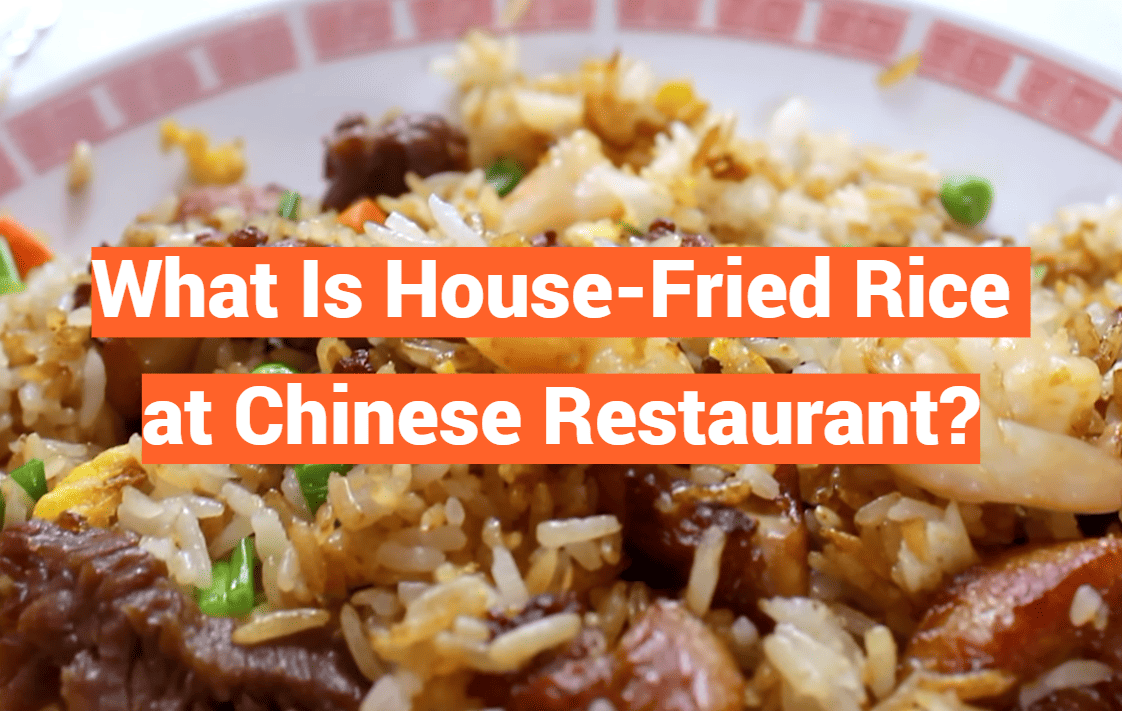
Did you know that over 90% of American Chinese takeout menus feature a dish known as house special fried rice? This popular meal is more than just a simple side; it’s a delightful combination of flavors and textures that has captured the hearts of many.
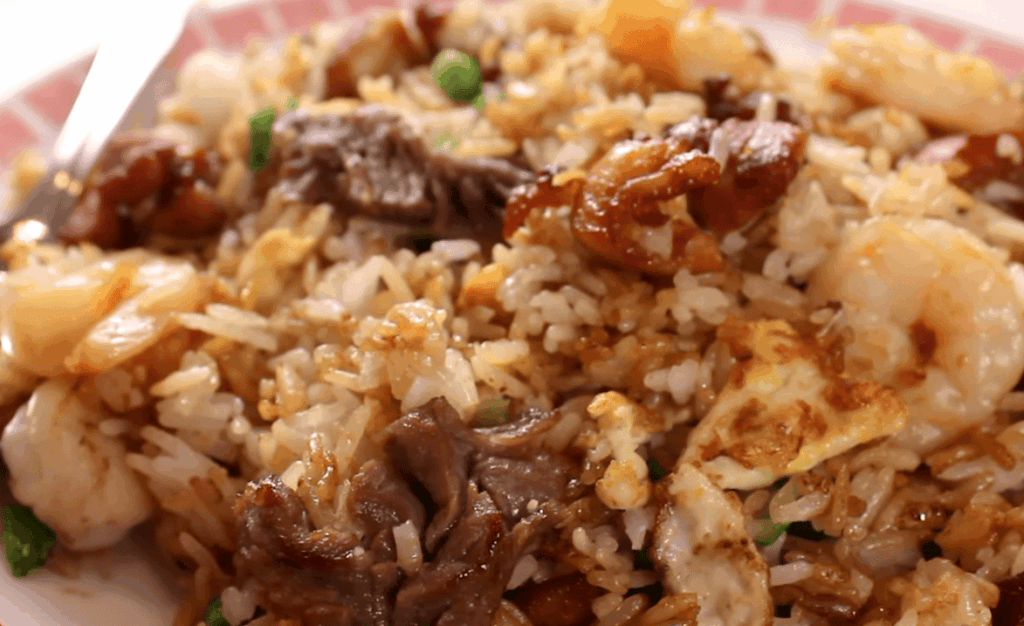
This iconic dish typically combines chicken, shrimp, and Chinese BBQ roast pork, also known as char siu. Each ingredient adds its unique flavor, creating a savory experience that is hard to resist. Many enjoy this meal not just for its taste, but also for its protein-packed nature, making it a satisfying choice for lunch or dinner.
Understanding the elements that make up this dish can help home cooks recreate those authentic flavors right in their kitchens. With its versatility, chefs can easily incorporate fresh vegetables and various seasonings, allowing for endless variations.
Whether you’re a fan of takeout or looking to whip up a restaurant-quality meal at home, house special fried rice is a dish worth exploring.
Key Takeaways
- This dish features a blend of chicken, shrimp, and char siu.
- It’s a balanced meal, rich in protein and flavor.
- Home cooks can replicate its authentic taste with the right ingredients.
- Versatility allows for various fresh vegetables and seasonings.
- It has been a staple on American Chinese menus for decades.
Introduction to House Fried Rice
In homes nationwide, this popular dish has evolved into a cherished meal, celebrated for its quick cooking time. The history of this dish is rooted in the practical need to minimize food waste. By repurposing leftover grains, families can create a new, flavorful meal.
Over the years, it transitioned from a simple restaurant staple to a beloved home cooking project. Families enjoy preparing it together, making it a fun activity.
Modern cooks can achieve professional results by focusing on proper ingredient prep before starting the stir fry process. This dish transforms basic pantry staples into a satisfying dinner in just 20 minutes.
As it evolved, it became a canvas for creativity. Cooks can experiment with different proteins and vegetables to suit their tastes. Mastering this classic rice dish connects home cooks to the rich traditions of culinary culture.
| Aspect | Description | Benefits |
|---|---|---|
| History | Utilizes leftover grains | Minimizes food waste |
| Popularity | Family cooking project | Encourages togetherness |
| Prep Time | 20 minutes | Quick and convenient |
| Creativity | Variety of proteins and veggies | Personalized meals |
What is house fried rice at chinese restaurant: Origins & Unique Flavors
The delightful dish found in many American Chinese takeout spots has a rich history and flavor. The term “special” often implies a combination of multiple proteins like chicken, pork, and shrimp. This signature combination typically includes tender chicken, succulent shrimp, and savory Chinese BBQ roast pork.
What truly sets this version apart from regular fried rice is the inclusion of these high-quality meats. This deliberate choice creates a complex flavor profile that tantalizes the taste buds. Chefs often employ a specific stir fry technique, ensuring that each ingredient maintains its distinct texture while melding perfectly with the seasoned grains.
Moreover, the unique flavor of this dish is often enhanced by Shaoxing rice wine, providing an aromatic depth that regular versions lack. By incorporating a variety of textures and tastes, this special dish offers a more luxurious dining experience than standard vegetable-only fried rice.
The careful balance of soy sauce and other seasonings ensures that every bite is packed with savory, umami-rich goodness.
| Aspect | Description | Impact |
|---|---|---|
| Protein Variety | Includes chicken, shrimp, and char siu | Enhances flavor complexity |
| Cooking Technique | Specific stir fry method | Maintains texture integrity |
| Aromatic Enhancements | Use of Shaoxing rice wine | Adds depth to flavor |
| Seasoning Balance | Careful soy sauce integration | Rich umami experience |
Essential Ingredients and Their Roles
Understanding the essential elements can elevate your cooking experience. The proteins, vegetables, and seasonings all play a vital role in crafting this beloved dish.
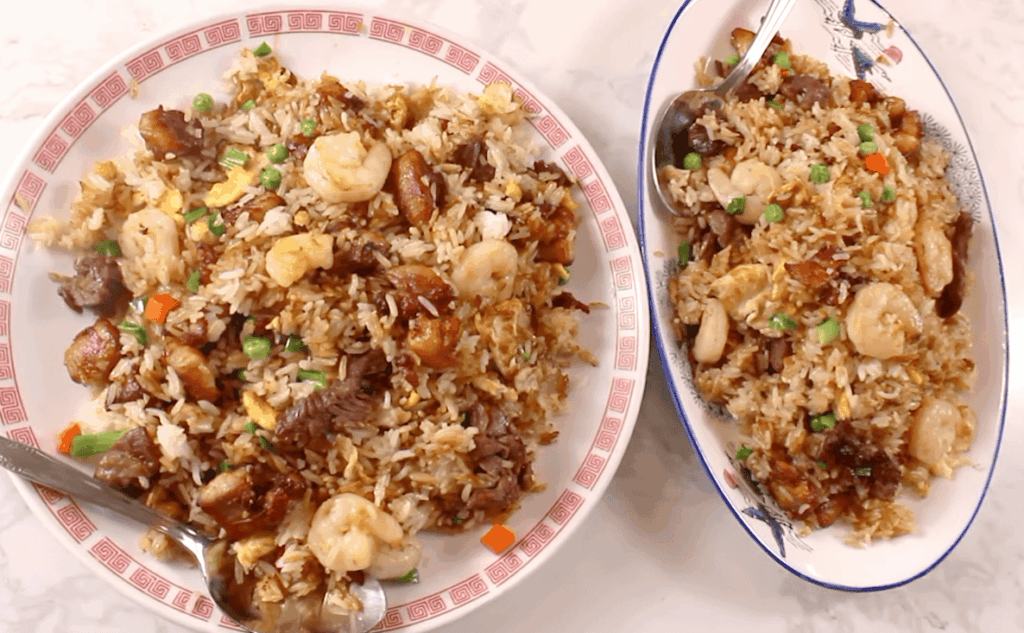
Proteins: Chicken, Shrimp, and Char Siu
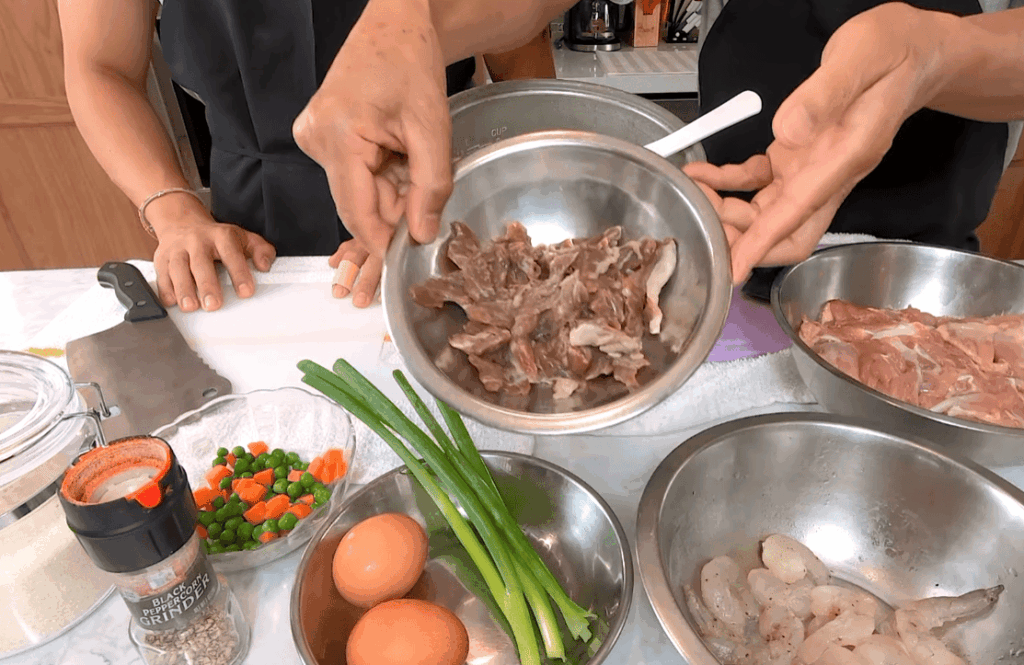
To prepare the proteins, slice the chicken into strips no thicker than 1/4 inch. This ensures even cooking. Make sure the shrimp are peeled and deveined properly for the best texture.
When selecting pork, choose authentic char siu. Request the honey glaze on the side to prevent burning during the high-heat cooking process.
Vegetables, Aromatics, and Seasonings
Vegetables like peas and onions add essential texture and color. Garlic and green onions provide a necessary aromatic foundation that enhances the overall flavor.
Seasonings such as soy sauce, oyster sauce, and a touch of sesame oil are critical for achieving the classic, savory taste. Using cold, day-old rice is key to keeping the grains separate, avoiding a mushy texture.
A small amount of water is also used during the velveting process for chicken and shrimp. This helps keep the proteins juicy throughout the stir fry.
Mastering the Technique: Tips for Perfect Fried Rice
The secret to an exceptional dish lies in understanding the techniques behind its preparation. One crucial tip is to use cold, day-old rice. This type of rice has less moisture, which helps prevent clumping during cooking.
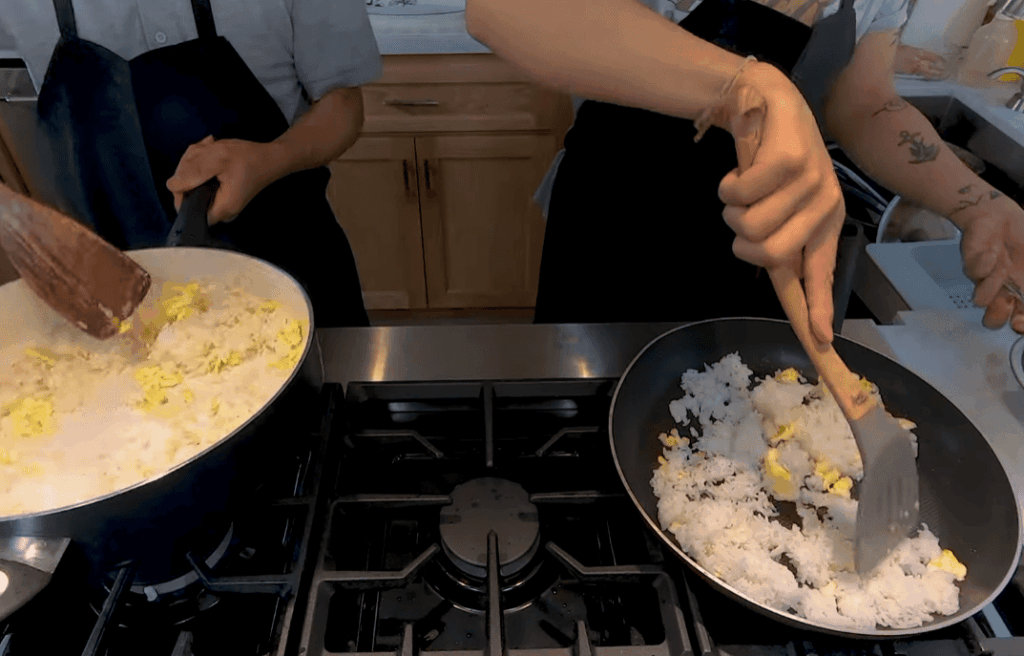
To achieve the coveted wok hei, turn the heat to maximum and keep the ingredients moving in the hot wok. This constant motion creates a delightful smoky flavor.
When you add rice, make sure to spread it out evenly in the pan. This allows each grain to absorb the oil and seasonings effectively.
During the cooking process, set aside scrambled eggs to keep them tender. Using a neutral oil with a high smoke point is essential to avoid any burnt flavors.
If you’re short on time, you can quickly mimic day-old texture by spreading freshly cooked rice on a baking sheet and freezing it for about 20 minutes.
Exploring Regional Variations and Naming Conventions
Across various regions, the beloved dish takes on unique flavors and styles. For instance, some variations incorporate pineapple and ham, offering a tropical twist. Others might include kimchi, adding a spicy kick that appeals to adventurous eaters.
The term combination is frequently used to describe a deluxe version that features multiple proteins from land and sea. In many places, diners can customize their experience with a side of extra soy sauce or chili oil, allowing for personalized heat levels.
While core ingredients like rice and eggs remain consistent, the choice of vegetables and proteins often changes based on local availability. Many restaurants proudly use the name house fried rice to highlight their signature blend of meats and aromatics, setting them apart from competitors.
Regardless of the name, the goal is always to create a harmonious dish where the flavors of pork, shrimp, and chicken are perfectly balanced.
House Fried Rice for Home Chefs: A How-To Guide
Transforming simple ingredients into a flavorful meal can be a fun adventure. Follow these steps to create a delightful dish that will impress your family and friends.
Step-by-Step Cooking Process
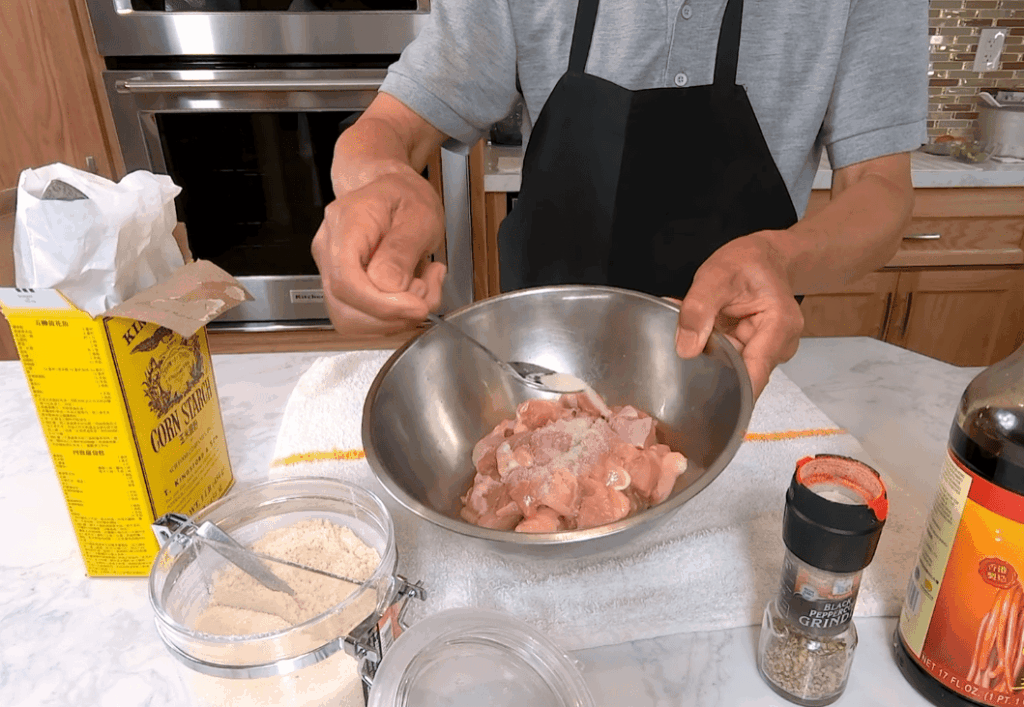
Begin your prep by marinating chicken and shrimp in a bowl with Shaoxing wine, salt, and cornstarch. This ensures the proteins stay juicy and tender during cooking.
Heat your wok over medium-high heat and add oil. Cook the proteins until just done, then set them aside to prevent overcooking.
Next, scramble the eggs in the same pan. Add onions, peas, and carrots, cooking until fragrant and tender.
When you add rice to the wok, turn the heat up to high. Stir fry constantly for 3 to 5 minutes to achieve the perfect texture.
Finish the dish by drizzling in sesame oil and adding green onions. This adds a fresh, aromatic contrast to the savory soy sauce base.
Always make sure to taste your creation before serving. Adjust the salt or sauce levels to match your personal preference for flavor intensity.
Key Prep and Marination Techniques
Utilizing the right techniques can elevate your cooking experience. The marination process is essential for tender proteins. Additionally, using cold, day-old rice helps maintain the ideal texture.
| Step | Action | Tip |
|---|---|---|
| 1 | Marinate proteins | Use Shaoxing wine and cornstarch |
| 2 | Heat wok | Use medium-high heat with oil |
| 3 | Scramble eggs | Keep them tender by removing early |
| 4 | Add vegetables | Cook until fragrant |
| 5 | Add rice | Stir fry on high heat for 3-5 minutes |
Addressing Common Cooking Challenges
Cooking enthusiasts often face common hurdles while making this popular meal. Understanding these challenges can lead to better results in the kitchen.
Avoiding Mushy or Clumpy Rice
To avoid mushy rice, you must use cold, day-old grains that have had enough time to dry out in the refrigerator overnight. If your rice is clumpy, use your hands to gently break apart the grains before you add them to the hot oil in the pan.
Balancing Flavors and Seasoning Adjustments
Balancing flavors is essential. Start with a small amount of soy sauce and oyster sauce, adding more only after tasting the dish. If the mixture seems too dry, a tablespoon of water can help steam the grains slightly without making the final result soggy or overcooked.
When you turn heat down or up, make sure you are monitoring the pan closely to prevent the garlic and onions from burning. Proper seasoning requires a careful hand with salt, especially if you are using chicken broth or bouillon cubes instead of plain water.
| Challenge | Solution | Tip |
|---|---|---|
| Mushy Rice | Use cold, day-old grains | Refrigerate overnight |
| Clumpy Rice | Break apart grains | Use hands before cooking |
| Flavor Balance | Start with small amounts of sauce | Taste before adding more |
| Dry Mixture | Add a tablespoon of water | Steam without sogginess |
Elevating Your Dish: Variations and Spicy Twists
By incorporating various ingredients, you can create a personalized dining experience. Spicy elements can truly transform your dish. Consider adding fresh bird’s eye chilies or a few teaspoons of sriracha for a bold kick.
If you want a seafood twist, try incorporating crab meat or squid. These additions bring a luxurious flavor to the mix of proteins. For those looking to boost the nutritional value, consider adding bell peppers, sprouts, or broccoli.
Another exciting option is to stir in spicy sesame oil during the last 30 seconds of cooking. This preserves the delicate, aromatic compounds that enhance the dish’s flavor. When introducing new proteins like beef, cut them into small pieces to ensure quick cooking.
Experimenting with different types of soy sauce can also elevate your creation. Dark soy sauce adds color, while light soy sauce provides saltiness. These variations allow you to customize your dish further.
Serving Suggestions and Meal Pairings
Creating a memorable meal involves thoughtful pairings that complement each dish. When it comes to fried rice, the right sides can elevate your dining experience.
Enhancing Your Plate with Complementary Sides
Pair this delightful dish with sesame chicken or a plate of mixed vegetables for a balanced meal that mimics a true takeout experience. The combination not only satisfies the palate but also offers a colorful presentation.
Crispy egg rolls serve as a classic side, providing a satisfying crunch that contrasts beautifully with the soft texture of the rice. For a more formal touch, garnish your bowl with sliced green onions and a sprinkle of toasted sesame seeds.
If you’re hosting a dinner, consider serving the rice in a large, communal bowl. This allows everyone to scoop their own portions easily, enhancing the shared dining experience.
Leftover portions can be stored in an airtight container for 3 to 4 days, making this a fantastic option for meal prep throughout the week. When reheating, add a splash of water to the pan to ensure the grains regain their fluffy texture without drying out.
| Side Dish | Description | Benefits |
|---|---|---|
| Sesame Chicken | Sweet and savory chicken dish | Balances flavors with fried rice |
| Mixed Vegetables | Colorful assortment of veggies | Adds nutrition and texture |
| Egg Rolls | Crispy, deep-fried rolls | Provides a satisfying crunch |
| Green Onions | Fresh garnish for flavor | Enhances presentation and taste |
Conclusion
Enjoying a restaurant-quality meal in your kitchen is easier than you think. Mastering the art of this delightful dish allows you to savor a delicious creation right at home. Focus on using cold, day-old rice and high-heat stir fry techniques to achieve that perfect texture.
Remember, the beauty of this meal lies in its versatility. Feel free to customize the proteins and vegetables to match your preferences. With just 20 minutes of active cooking time, it’s a fantastic solution for busy weeknights when you crave something savory.
We hope this guide has inspired you to experiment with different ingredients and techniques. Always keep your pantry stocked with essentials like soy sauce, sesame oil, and aromatics, so you are ready to whip up this dish whenever hunger strikes.